
Healthcare is a multifaceted field with a range of roles that require unique sets of skills. Among these, allied health professionals and travel nurses play pivotal roles in ensuring patient care is comprehensive and effective.
While both categories are essential in healthcare systems worldwide, they come with different responsibilities, work environments, and challenges. To succeed in either role, individuals must possess certain qualities that enable them to thrive in diverse and dynamic settings.
In this blog, we will explore the specific qualities needed to succeed with separate focus on each role.
Part 1: Qualities for Success as an Allied Health Professional
Allied health professionals encompass a wide range of roles, from physical therapists to sterile technologists and radiologic technologists. Regardless of the specific specialty, these professionals share a common set of qualities that help them excel in their work. The following traits are key to success in this field.
1. Clinical Expertise and Technical Skills
At the core of any allied health profession is a strong foundation of clinical expertise. Whether you are a speech therapist, dietitian, or ultrasound technician, having a deep understanding of your field and its practices is crucial. These professionals often work with intricate medical equipment, conduct diagnostic tests, or provide hands-on patient care, so it’s essential to stay updated on the latest techniques and technologies.
Moreover, they often work autonomously or in close collaboration with physicians. Their ability to execute complex tasks accurately and efficiently ensures that patient care is of the highest standard. Continuous professional development, such as attending workshops, pursuing certifications, or joining professional organizations, can help enhance these skills.
2. Strong Communication Skills
Effective communication is vital for allied health professionals who work as part of a multidisciplinary team. Being able to clearly convey information about a patient’s condition, progress, and treatment plans is essential for providing integrated care. Whether you’re explaining the next steps to a patient or collaborating with doctors and nurses, your communication skills need to be top-notch.
In some cases, these professionals may need to break down complex medical information into understandable language for patients. This is especially true in specialties such as counseling, nutrition, and rehabilitation therapy, where patient education is integral to the treatment process.
3. Attention to Detail
Many allied health roles require precision and attention to detail. For example, in medical imaging, radiologic technologists need to position patients and capture clear images to ensure accurate diagnoses. Similarly, laboratory technicians must handle specimens carefully and follow strict protocols to avoid errors in test results. An error in any of these processes can result in incorrect diagnoses, leading to potentially serious consequences for patients.
Therefore, professionals in this field must be detail-oriented and able to follow precise instructions, protocols, and procedures to maintain the quality of care.
4. Problem-Solving Abilities
Allied health professionals often face complex cases that require them to think critically and come up with solutions on the spot. Whether it’s identifying a problem in a patient’s rehabilitation plan or recognizing patterns in diagnostic data, problem-solving is key to providing high-quality care.

For example, a physical therapist working with a patient who isn’t showing the expected progress needs to assess the situation and adjust the treatment plan accordingly. Similarly, a medical technologist may encounter an unusual test result that requires them to troubleshoot the cause and resolve the issue efficiently.
5. Empathy and Compassion
Allied health professionals are frequently on the front lines of patient care, often forming the first line of contact with patients. Empathy and compassion are crucial for building trust and providing holistic care. Many patients, especially those in rehabilitation, pain management, or diagnostic testing, may be anxious, frightened, or in discomfort. Being able to connect with them emotionally, provide reassurance, and maintain a calm demeanor can make a world of difference in their experience.
In addition to helping patients, these professionals must also demonstrate empathy towards families and caregivers, who often need guidance and emotional support.
6. Time Management and Organizational Skills
Allied health professionals often juggle multiple patients and tasks at once. Whether it’s scheduling appointments, updating patient records, or conducting assessments, they need excellent time management and organizational skills. These professionals work with a variety of equipment, charts, and patient information, which requires them to keep everything organized to ensure that nothing is overlooked.
The ability to prioritize tasks effectively and maintain an organized workflow ensures smooth operations and reduces stress in the workplace.
Part 2: Qualities for Success as a Travel Nurse
Travel nursing is a unique career path within the nursing profession that offers flexibility, the opportunity for adventure, and the chance to work in a variety of healthcare settings. However, travel nurses must possess a different set of qualities to succeed in this fast-paced, ever-changing environment. The following qualities are essential for nurses who travel :
1. Adaptability and Flexibility
Adaptability is arguably the most important quality for a travel nurse. Every assignment is different, whether it’s in a new hospital, a different state, or even abroad. Travel nurses are often thrust into unfamiliar environments, with new teams, patient populations, and healthcare systems to learn quickly. The ability to adapt to new work environments, routines, and expectations is critical for providing quality care while making a smooth transition.
These nurses also need to be flexible when it comes to shift schedules, patient care plans, and even living arrangements. Often, they work in high-demand areas, which can mean unpredictable schedules. This adaptability allows them to thrive, even when the conditions are not ideal.
2. Strong Clinical Knowledge and Nursing Skills
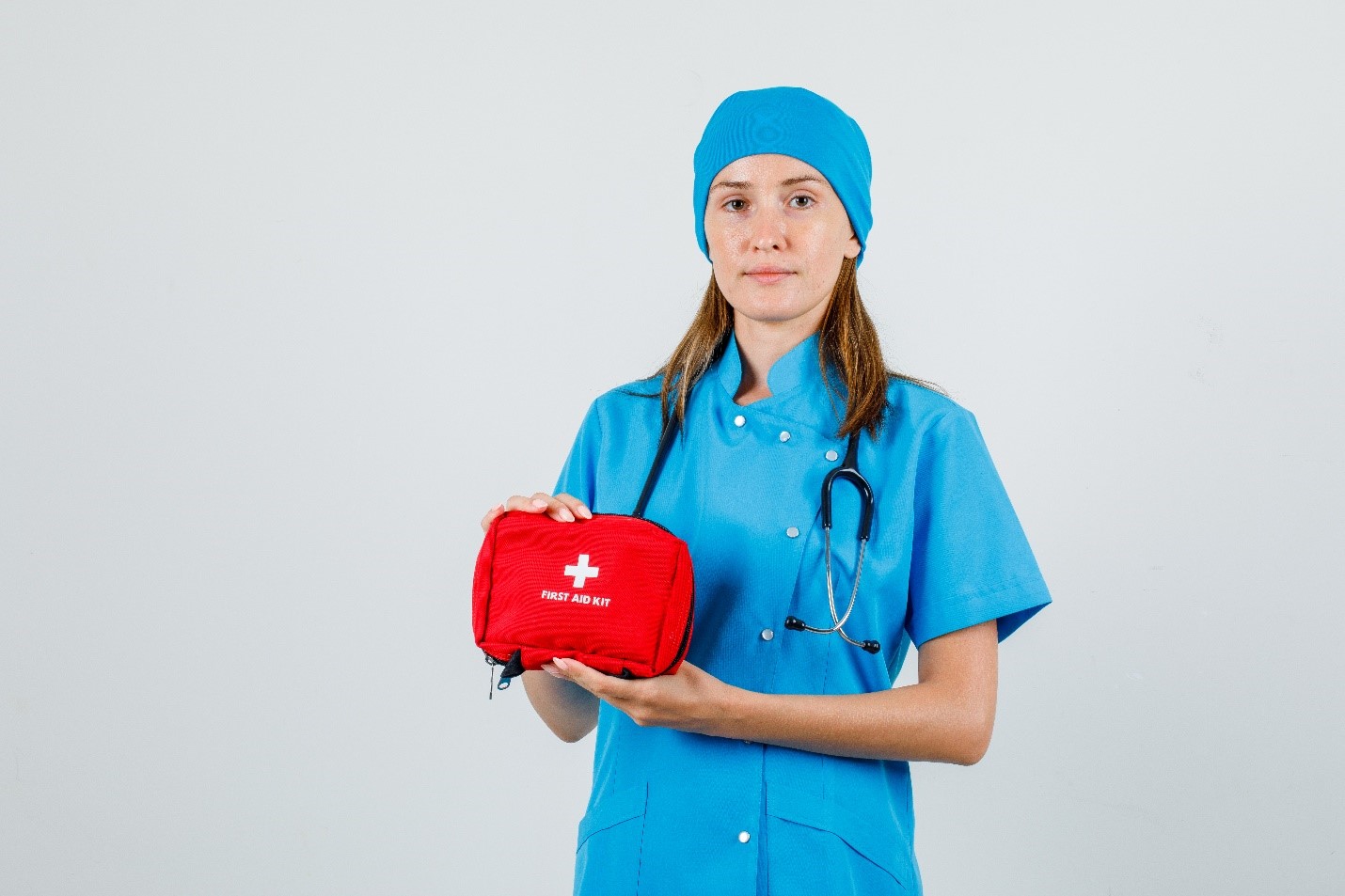
Like all nurses, travel nurses must have a solid foundation of clinical knowledge. They need to be able to provide direct patient care in a wide range of medical specialties, from emergency care to intensive care or maternity wards. Since they often work in fast-paced environments, strong clinical skills and critical thinking abilities are necessary to handle emergencies, adapt to varying patient needs, and collaborate with different teams.
These nurses also need to have a deep understanding of the specific healthcare settings they are placed in. This may include learning about the hospital’s protocols, the local community’s health concerns, or how to use specific medical equipment unique to the area.
3. Excellent Communication Skills
Travel nurses must have excellent communication skills, as they frequently interact with new teams and patients. The ability to communicate effectively with physicians, nurses, patients, and families is essential in delivering quality care. Additionally, these nurses need to be able to integrate into existing teams quickly, which requires not only clear communication but also the ability to build rapport and establish trust.
Being a good listener is also important, as nurses may need to interpret a patient’s history or understand the concerns of family members in a short amount of time.
4. Emotional Resilience
Emotional resilience is an indispensable quality for travel nurses, who often work in high-stress situations and may experience emotional strain due to working away from home or facing tough patient situations. Additionally, these nurses may encounter different cultural norms and emotional challenges in unfamiliar environments. Emotional resilience helps nurses to maintain a balanced and professional demeanor even during difficult moments.
Since many nurses often live away from their families and friends, having emotional resilience helps them manage feelings of isolation and homesickness, enabling them to focus on their work and deliver quality care to their patients.
5. Independence and Self-Motivation
Unlike staff nurses who may have a more stable, long-term work environment, travel nurses are typically expected to work independently. This means they need to be self-motivated and confident in their abilities to make decisions, manage their time, and complete their duties without constant supervision. Such nurses are often in new environments with little oversight, and their ability to take initiative is crucial for their success.
6. Cultural Sensitivity
Travel nurses often work in regions with diverse populations, sometimes in different states or even countries. Cultural sensitivity is essential in understanding and respecting the beliefs, traditions, and values of different communities. Whether providing care in a rural area, a metropolitan hospital, or an international clinic, travel nurses need to understand how cultural factors may influence patient care and adjust to ensure they provide respectful, patient-centered care.
Conclusion
Both the above-mentioned healthcare professionals play crucial roles in the healthcare ecosystem, but the qualities needed for success in each role differ based on the specific demands of the position. Allied health professionals must have strong technical skills, attention to detail, and the ability to work collaboratively in multidisciplinary teams. On the other hand, travel nurses must be adaptable, resilient, and self-reliant, often working independently in new, fast-paced environments.
Regardless of the path you choose, cultivating the qualities of clinical expertise, communication, problem-solving, and emotional resilience will help you navigate the challenges and thrive in your healthcare career. With the right blend of these qualities, you can make a lasting impact on patient care while enjoying the rewards and challenges of your dynamic role.
Clover Health Services offers a compelling opportunity for travel nurses and allied health professionals seeking high-paying positions. Our network of hospitals and healthcare facilities across the country provides diverse assignments in various specialties across best travel nursing destinationsin USA. Clover Health emphasizes competitive compensation packages, including premium pay rates, travel stipends, and comprehensive benefits thus taking good care of healthcare professionals who provide care to everyone else.