Refresh and Renew: Your Guide to a Healthy January

As the glitter of New Year’s Eve settles and the calendar flips to January, many of us feel a natural pull toward “starting over.” But wellness isn’t about radical, unsustainable transformations; it’s about intentional choices that protect your body and support your community.

This month, we are focusing on three pivotal pillars of health: National Blood Donor Month, Cervical Health Awareness Month, and the increasingly popular Dry January. Here is how you can kick off 2026 with purpose and vitality.

1. The Gift of Life: National Blood Donor Month
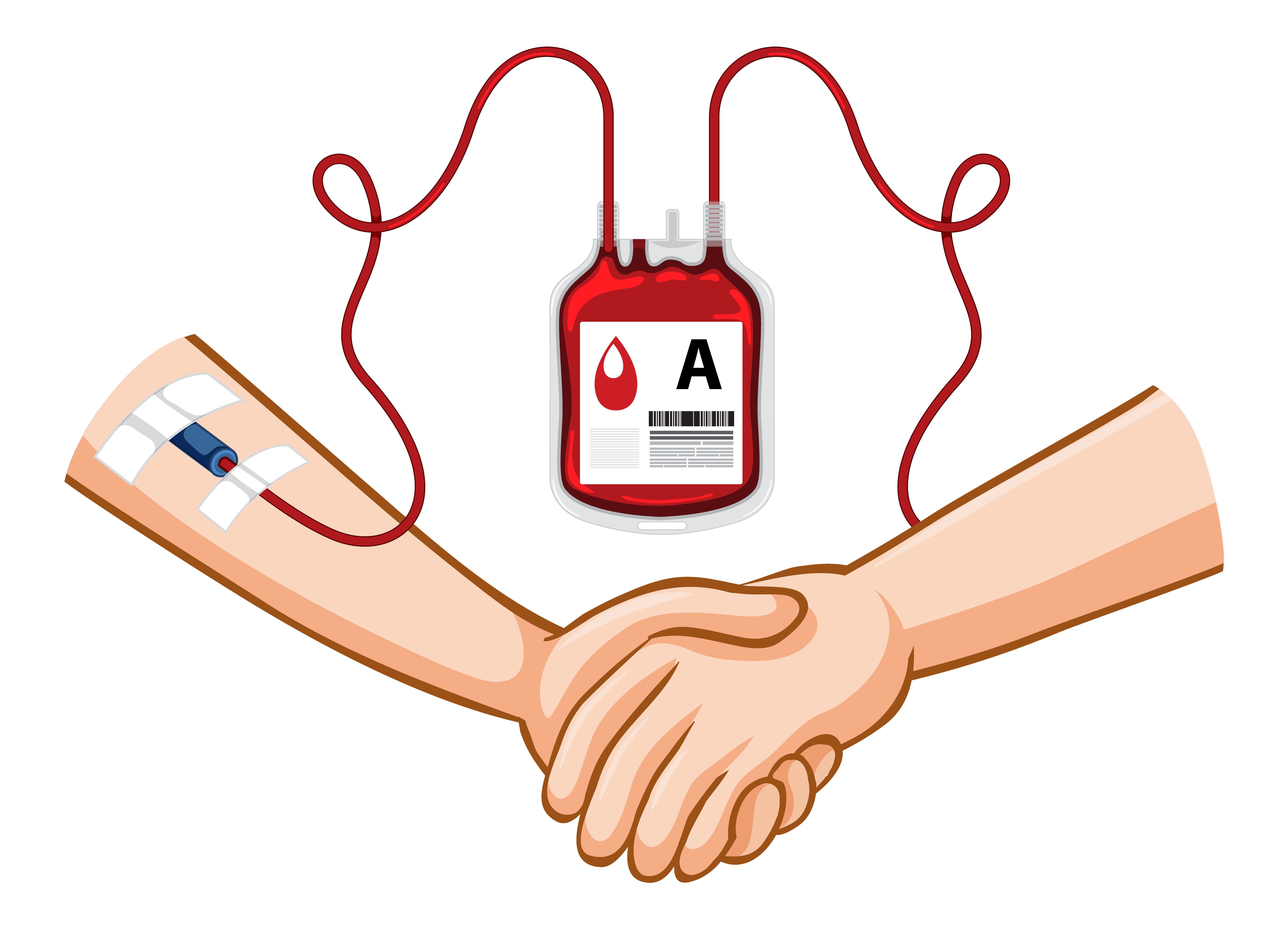
National Blood Donor Month

January is often a difficult month for blood centers. Between winter weather canceling drives and seasonal illnesses keeping regular donors at home, blood supplies frequently hit critical lows. That is why January is designated as National Blood Donor Month.

Why It Matters

A single blood donation can save up to three lives. Whether it’s for trauma patients, those undergoing surgery, or individuals battling cancer, your “liquid gold” is a resource that cannot be manufactured in a lab.

How to Participate

  • Check Your Eligibility: Most healthy adults weighing at least 110 pounds can donate.
  • Hydrate and Eat: Ensure you have a iron-rich meal (think spinach or lean proteins) and plenty of water before your appointment.
  • The Power of Platelets: If you have a little extra time, consider donating platelets, which are vital for cancer patients and have a very short shelf life.

2. Prioritizing Prevention: Cervical Health Awareness Month

Cervical Health Awareness Month

Cervical cancer was once one of the most common causes of cancer death for American women. Today, thanks to the HPV vaccine and regular Pap tests, it is one of the most preventable and treatable forms of cancer.

Key Prevention Steps

January serves as a reminder to book those screenings you might have pushed off during the holiday rush.

  • The HPV Vaccine: This vaccine protects against the types of Human Papillomavirus that causes cervical cancers. It is most effective when given earlier in life but is now approved for adults up to age 45.
  • Regular Screenings: Depending on your age and history, your doctor will recommend a Pap test, an HPV test, or a combination of both.
  • Early Detection: When caught early, cervical cancer has a high survival rate. Don’t ignore symptoms like unusual spotting or pelvic pain—be your own best advocate.

3. The “Dry January” Reset

Bad alcohol habit
Bad alcohol habit

After the indulgence of the holiday season, Dry January—the practice of abstaining from alcohol for 31 days—has become a global phenomenon. It’s not just about “detoxing”; it’s about re-evaluating your relationship with alcohol and noticing how your body responds to the change.

The Benefits of a Month Off

Most participants report significant health improvements within just two to three weeks:

Better Sleep: Alcohol disrupts your REM cycle. Without it, you’ll likely find you wake up feeling more rested.

Clearer Skin: Alcohol is a diuretic that dehydrates the skin; quitting leads to a more hydrated, radiant complexion.

Mental Clarity: Removing a depressant from your system can reduce “brain fog” and lower anxiety levels.

Survival Tips for the Month

  • Explore Mocktails: The “sober curious” movement has led to an explosion of alcohol-free spirits and botanical elixirs.
  • Identify Triggers: Notice when you crave a drink. Is it stress? Boredom? Finding a substitute activity, like a 10-minute walk or a hot tea, can break the habit.

Fresh Starts: 10 Essential Tips to Elevate Your Physical Health

Physical Health Tips

Starting a new year often feels like opening a blank notebook. While big goals are inspiring, physical wellness is truly built on the small, consistent choices we make every day. If you are looking to revitalize your routine this January, here are 10 foundational tips to help you feel your best from the inside out.

Stay Active: Regular movement is a powerhouse for your body, it improves heart health, ensures better sleep, and boosts energy levels. It can even decrease the risk of chronic diseases. Don’t feel pressured to spend hours at the gym; start by trying just 15 minutes a day.

Eat a Balanced Diet: Focus on nourishing your body by controlling ingredients and portion sizes. Meal planning is a great way to stay on track but remember that wellness includes flexibility—enjoy your favorite foods in moderation.

Stay Hydrated: Water is the fuel for your cells. Drinking enough water supports mental clarity, maintains healthy skin, and aids in weight management. Aim for a baseline of 2 liters a day.

Get Adequate Sleep: Think of sleep as your body’s “repair mode.” Quality rest boosts your immune system and sharpens brain function. Aim for 7 to 9 hours each night and try to keep a consistent schedule—even on weekends!

Limit Alcohol and Avoid Smoking: Protecting your organs is key to longevity. Excessive alcohol can lead to liver damage and impact on mental health, while smoking significantly increases the risk of lung cancer and heart disease.

Regular Health Check-ups: Prevention is the best medicine. Stay on top of standard blood tests, blood pressure monitoring, and other preventative screenings to catch any potential issues early.

Manage Stress: Chronic stress takes a physical toll on the body. Incorporate “calm moments” into your day through meditation, yoga, deep breathing exercises, or simply making time for the hobbies you love.

Maintain Healthy Weight: Weight is a personal metric that varies by individual. Focus on a range that makes you feel strong, mobile, and energetic, rather than just a number on a scale.

Prioritize Mental Health: Your mind and body are deeply connected. Try to connect with others, as regular social interaction significantly improves your mood and overall outlook on life.

Get Regular Sunlight: Nature provides a free, natural source of Vitamin D, which is essential for healthy bones and teeth. It also supports your immune system and helps your body absorb calcium and phosphorus. Try to get 10 to 30 minutes of sunlight several times a week.

FAQs

1)What is Clover Staffing?

Clover Health Services (often referred to as Clover Staffing) is a nationwide healthcare staffing agency that specializes in providing clinical workforce solutions. We act as a bridge between healthcare facilities (such as hospitals, long-term acute care, and outpatient clinics) and skilled clinicians. We primarily focus on travel and local assignments, typically ranging from 13 to 26 weeks, and offer 24/7 professional support to their staff, including help with payroll, compliance, and credentialing.

2)Is Clover Staffing only for Registered Nurses?

No. While Clover Staffing has a strong focus on nursing (including specialties like ICU, ER, and Labor & Delivery), they represent a broad range of healthcare professionals. Our services extend beyond Registered Nurses (RNs) to include various clinical and technical roles across the medical field.

3)Does Clover Staffing place Allied Health Professionals?

Yes. Clover Staffing actively recruits and places Allied Health Professionals. We staff a variety of allied roles, including:

  • Therapists: Physical Therapists (PT), Occupational Therapists (OT), and Speech-Language Pathologists (SLP).
  • Imaging Specialists: Radiology Techs and CT Techs.
  • Technicians: Surgical Technologists and Cardiovascular Technologists.
  • Respiratory Care: Respiratory Therapists.
🗓️ December Focus: Health, Rights, and Global Action

December is here, and with it comes an important stretch of observances dedicated to global health, human rights, and community well-being. Let’s take a moment to reflect on these key days and weeks and consider how we can all participate in raising awareness and taking the right action.

World AIDS Day: December 1st 🎗️

World AIDS Day
World AIDS Day

Every year on December 1st, the world pauses to observe World AIDS Day. This day is a critical opportunity to remember those we have lost, celebrate the progress made in prevention and treatment, and, most importantly, reaffirm our collective resolve.

The core message remains clear: we must be steadfast in our commitment to prevent new HIV infections and ensure essential services are accessible to all people living with HIV globally. While incredible advances in medicine have made living with HIV manageable, the fight against stigma and the push for universal access continue.

  • Take Action: Remain informed, advocate for equitable healthcare access, and continue the conversation.
  • Join the fight: You can learn more and get involved at https://worldaidsday.org/.

International Persons with Disability Day: December 3rd

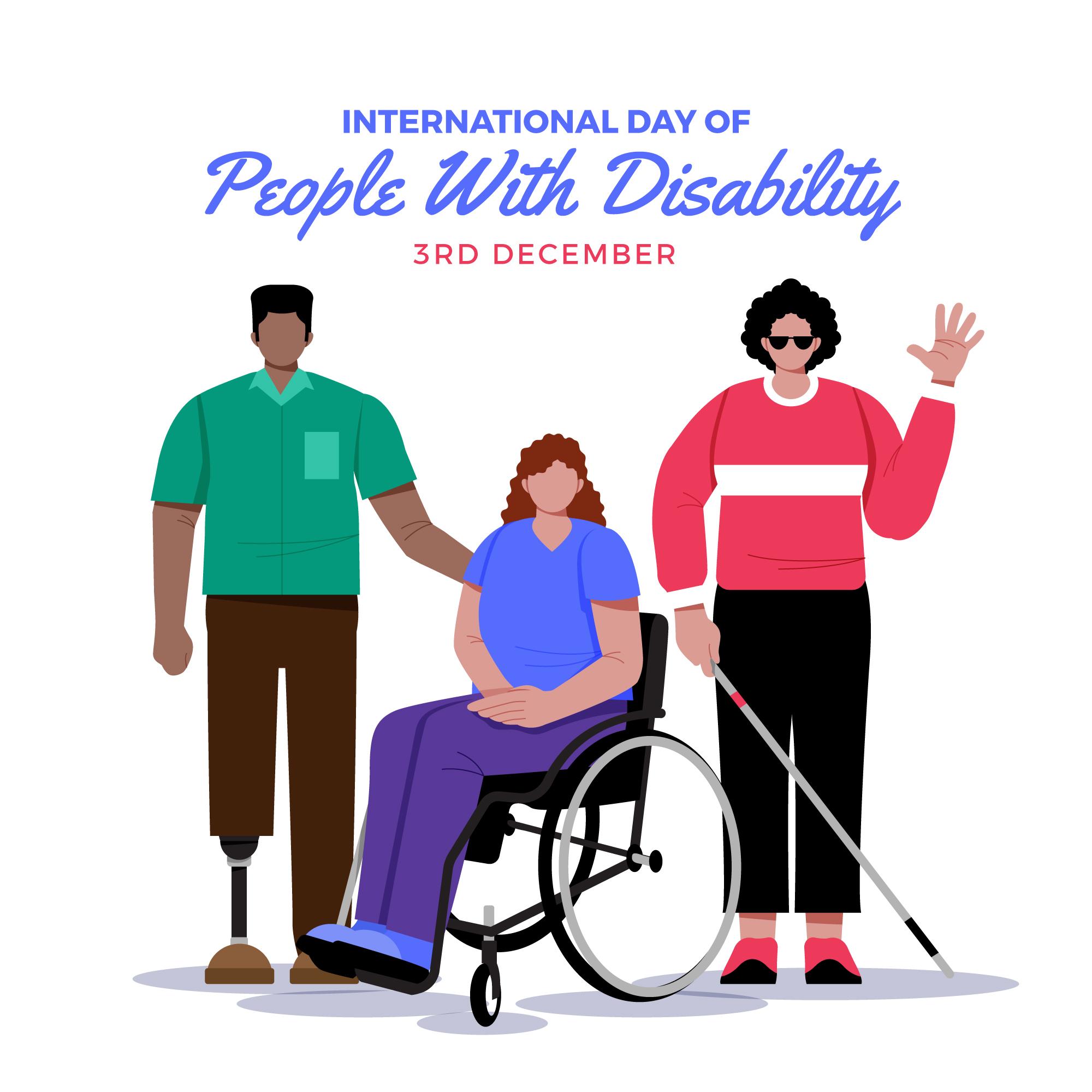
International Day of People with Disability

Just a few days later, on December 3rd, we mark the International Day of Persons with Disabilities (IDPD). Established by the United Nations in 1992, this annual observance promotes the rights and well-being of people with disabilities across all spheres of life.

The day is dedicated to increasing awareness and mobilizing support for the inclusion of people with disabilities in political, social, economic, and cultural life. It’s a reminder that true societal progress means breaking down barriers—physical, attitudinal, and systemic—to ensure full and equal participation for everyone.

Visit the official United Nations page for more information on the day’s theme and ongoing initiatives https://www.un.org/en/observances/day-of-persons-with-disabilities.

National Influenza Week: December 7th to 13th 🩹

National Influenza Week

As winter sets in, it’s the perfect time for the annual National Influenza Awareness Week, typically observed in early December (December 7th to 13th). Sponsored by organizations like the CDC, this campaign has a simple yet vital message: Get Your Flu Shot!

The annual flu vaccine is highlighted as the best protection against the flu. Organizations and healthcare providers use this week to remind the public that it’s never too late to get vaccinated, as the flu season can stretch on for months. Getting the shot is a simple step you can take not only to protect yourself but also to help protect the vulnerable members of your community.

If you haven’t already, find a local clinic or pharmacy and get your annual flu vaccine!

A Healthier September: Mark Your Calendar for These Important Days

September is a month filled with opportunities to learn more about important health topics and get involved in your community. Here are a few key health awareness days to keep on your radar.

Suicide Prevention Day: September 10th

Suicide Prevention Day is a time for communities and organizations to raise awareness, educate the public, and provide vital resources to those who need them most. This year’s theme, “Change the Narrative on Suicide,” encourages us all to shift the conversation around mental health and suicide from one of stigma to one of support and understanding.

You can show your solidarity and help spread awareness by wearing purple and teal on September 10th. Learning to recognize the signs of someone in distress and knowing where to find help are crucial steps we can all take to save lives. For more information and resources, visit the International Association for Suicide Prevention.

World Sepsis Day: September 13th

Sepsis is a serious and potentially life-threatening condition. It happens when your body’s response to an infection goes into overdrive, causing widespread inflammation that can damage tissues and organs. Recognizing the symptoms early is critical for a timely diagnosis and treatment.

Seek immediate medical attention if you or someone you know experiences a combination of these symptoms:

A temperature that is higher or lower than normal.

Any signs of an existing infection.

Mental decline, such as feeling confused, sleepy, or being unable to wake up.

Feeling extremely ill with severe pain, discomfort, or shortness of breath.

For more information on sepsis, including prevention and treatment, you can find valuable resources on World Sepsis Day.

National Women’s Health and Fitness Day: September 25th

This day is all about celebrating and promoting the importance of physical activity and health awareness for women of all ages and backgrounds. Whether you’re a seasoned athlete or just getting started on your fitness journey, there’s something for everyone.

Events often include educational workshops, health screenings, walking events, and exercise demonstrations. You can participate by joining a local event, working out at home, or finding an online group. To discover more ways to get involved and celebrate, check out National Women’s Health and Fitness Day.

August 2025: A Month to Prioritize Health and Awareness

At Clover Health Services, we’re deeply committed to the well-being of our community, both the healthcare professionals we connect with and the patients they serve. As August 2025 unfolds, it brings with it several significant health awareness initiatives that deserve our attention and support.

From battling a formidable disease like lung cancer to ensuring the purity of our vital water resources, this month offers opportunities for education, advocacy, and collective action. Join us as we delve into these crucial topics and highlight how we can all contribute to a healthier future.

World Lung Cancer Day: Lighting the Way for Awareness and Hope (August 1st)

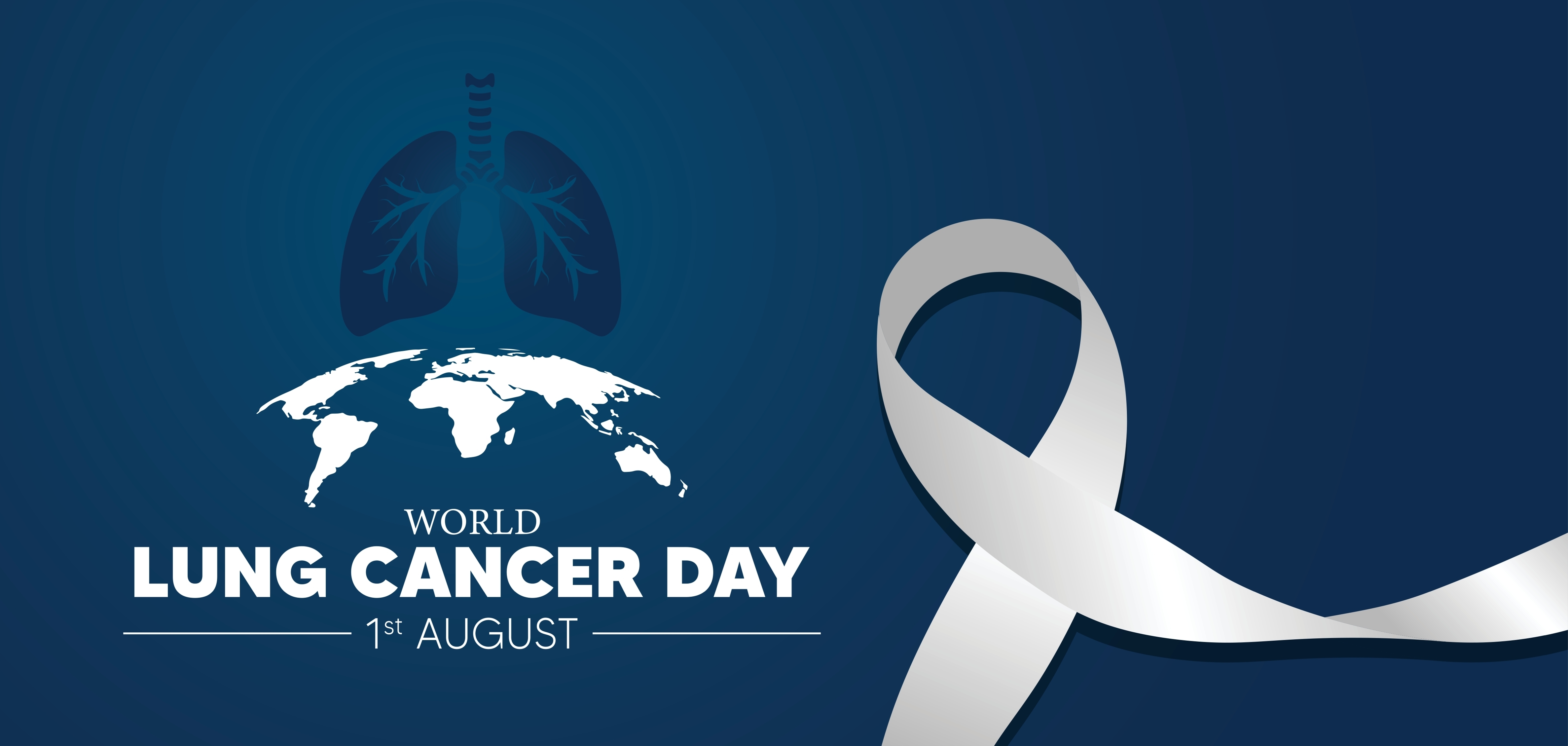
Word Lung Cancer Day
World Lung Cancer Day

Every year on August 1st, organizations across the globe unite to observe World Lung Cancer Day. This vital campaign serves as a powerful reminder of the devastating impact of lung cancer, a disease that sadly affects over 200,000 individuals in the United States alone.

It’s a day dedicated to raising awareness, advocating for quality healthcare and resources, supporting crucial research for effective treatments, promoting the importance of early detection, and sharing the inspiring stories of breakthroughs and the lived experiences of those diagnosed, as well as their devoted loved ones.

Lung cancer remains a leading cause of cancer-related deaths worldwide, often diagnosed at later stages when treatment options are more limited. This is why the core tenets of World Lung Cancer Day – advocacy, research support, early detection, and shared experiences – are so critical.

  • Advocating for Quality Healthcare and Resources: We must actively support policies and initiatives that ensure equitable access to comprehensive lung cancer care, including screening programs, advanced diagnostics, and cutting-edge treatments.
  • Supporting Research for Treatment: Continued investment in scientific research is paramount to developing innovative therapies, improving survival rates, and ultimately finding a cure for this complex disease. Every contribution, no matter the size, can fuel these vital efforts.
  • Promoting Early Detection: Educating the public about the risk factors, potential symptoms, and the benefits of early screening for high-risk individuals can significantly improve outcomes.
  • Sharing Stories of Breakthroughs and Experiences: The journeys of lung cancer patients and their families are filled with resilience, strength, and hope. Sharing these stories not only raises awareness but also provides invaluable support and a sense of community for others facing similar challenges.

Clover Health Services encourages everyone to participate in World Lung Cancer Day. Let’s stand together, amplify our voices, and support the fight against lung cancer.

SMA Awareness Month: Understanding and Supporting Spinal Muscular Atrophy

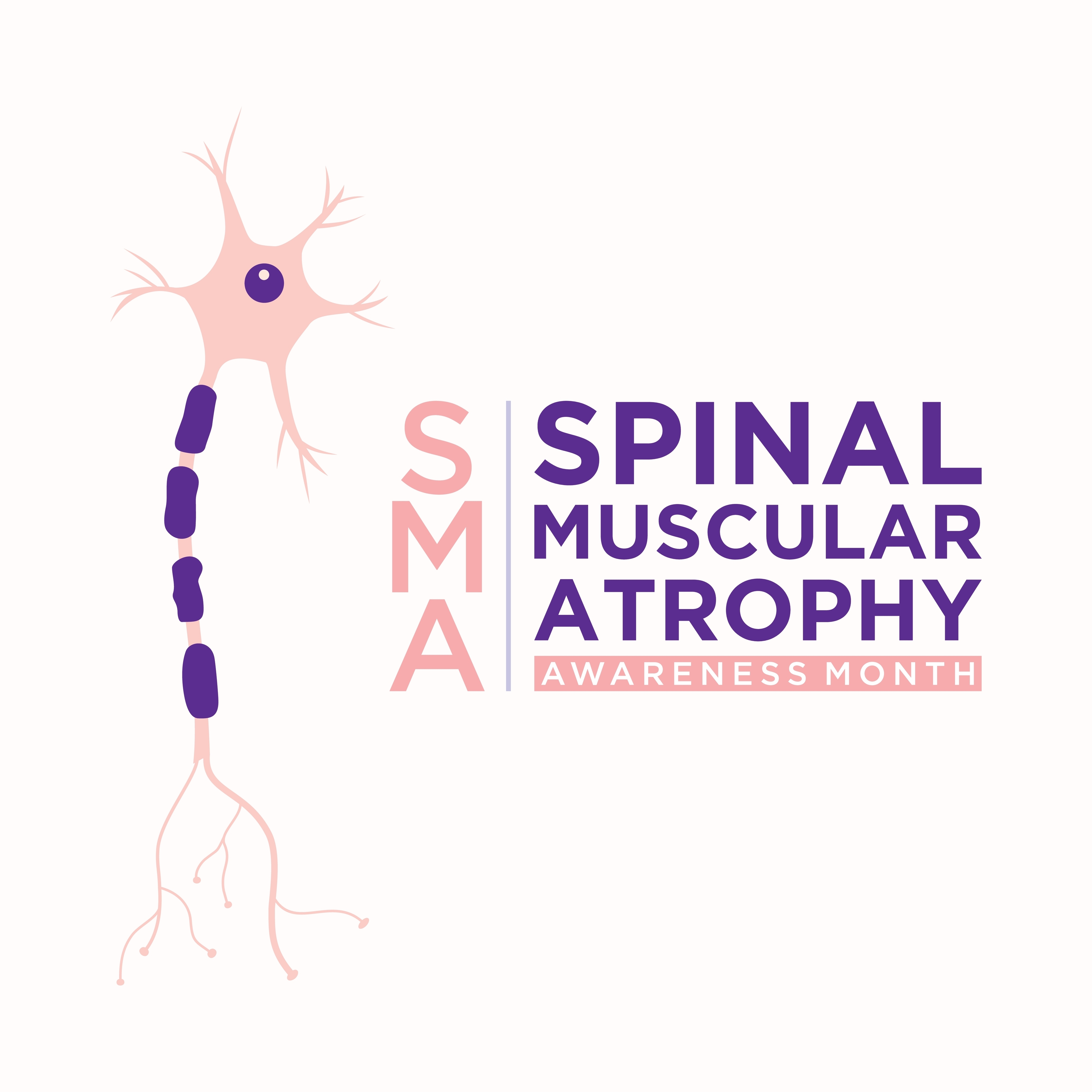
Spinal Muscular Atrophy Month in August

August also marks SMA Awareness Month, a time dedicated to increasing understanding and support for Spinal Muscular Atrophy (SMA). SMA is a genetic disease that leads to muscle weakness and atrophy (shrinking) due to the loss of motor neurons in the spinal cord. While currently there is no cure for SMA, significant advancements in treatment have been made, offering individuals with SMA the potential for a greatly improved quality of life.

Raising awareness about SMA is crucial for several reasons:

  • Early Diagnosis: Increased awareness among parents and healthcare professionals can lead to earlier diagnosis, allowing for timely intervention with available treatments, which can be most effective when starting early.
  • Support for Research and Development: Continued awareness helps to drive funding and support for ongoing research into new and more effective therapies, as well as potential future cures.
  • Building a Supportive Community: Awareness initiatives help connect individuals and families affected by SMA, fostering a strong sense of community and shared understanding.
  • Advocacy for Access to Care: Raising the profile of SMA helps advocate for policies that ensure access to necessary treatments, therapies, and support services for all individuals living with the condition.

National Water Quality Month: Protecting Our Most Precious Resource

National Water Quality Month

Clean water is the very essence of life, vital for all living organisms and the delicate balance of our ecosystems. National Water Quality Month, observed every August, serves as a critical reminder of the potential threats to our water sources and encourages active participation in protecting and improving this invaluable resource.

The importance of National Water Quality Month cannot be overstated:

  • Essential to Life: Clean water is fundamental for drinking, sanitation, agriculture, industry, and countless other aspects of our daily lives and the functioning of our society.
  • A Global Crisis: Millions around the world lack access to safe and clean drinking water, contributing to significant health issues and hindering development. Recognizing the interconnectedness of global water resources is crucial.
  • Long-Term Sustainability: Protecting our water resources today is an investment in the future, ensuring their availability and quality for generations to come. Sustainable practices are essential for responsible water management.

During National Water Quality Month, we are all called to reflect on our relationship with water and take action to protect it. This might involve participating in local clean-up initiatives, conserving water in your daily life, supporting organizations dedicated to water quality, or advocating for responsible water management policies.

Monthly Wellness Message: Understanding Digestive Tract Paralysis (DTP)

August is Digestive Tract Paralysis Awareness Month

As part of our ongoing commitment to your wellness, this August we want to shed light on Digestive Tract Paralysis (DTP) Awareness Month. DTP, also known as gastroparesis or other related motility disorders, is a condition that impairs the normal movement of food through the digestive tract. The symptoms can vary widely depending on the specific condition and their severity, but common signs include:

  • Nausea and vomiting
  • Feeling full quickly after eating only a small amount
  • Abdominal pain and bloating
  • Loss of appetite and unintentional weight loss
  • Constipation or difficulty passing stool
  • Heartburn and acid reflux
  • In severe cases, dehydration and malnutrition

The underlying causes of DTP can be diverse, ranging from complications of diabetes, post-surgical issues, certain medications, and neurological conditions. In some instances, the cause of DTP remains unknown (idiopathic).

Digestive Tract Paralysis Awareness Month provides a valuable opportunity to:

  • Increase Understanding: Many people are unaware of DTP and its impact on individuals’ lives. Raising awareness helps to educate the public and reduce stigma.
  • Support Research: Increased awareness can lead to greater support for research aimed at improving diagnosis, treatment options, and ultimately finding cures for these conditions.
  • Empower Patients: Providing information and resources empowers individuals living with DTP to better understand their condition, seek appropriate medical care, and connect with support networks.

Summer Sun Safety Month: Staying Safe Under the August Sun

Summer Sun Safety Month

As we continue to enjoy the warmth and longer days of summer, it’s crucial to remember the importance of Summer Sun Safety. August is a prime time to reinforce awareness around the potential dangers of excessive sun exposure and how to effectively protect we from sun-related health issues, including premature skin aging and skin cancer.

This summer has indeed brought intense heat waves and unusually bright sunlight, underscoring the need for diligent sun protection. Here are some helpful tips to keep in mind (as an AI overview reminds us):

  • Wear Sunscreen: Always apply a broad-spectrum sunscreen with an SPF of 30 or higher to all exposed skin, even on cloudy days. Reapply every two hours, or immediately after swimming or sweating.
  • Wear Sunglasses: Protect your eyes with sunglasses that offer 100% UVA and UVB protection.
  • Wear Protective Clothing: When possible, opt for long-sleeved shirts, wide-brimmed hats, and long pants to shield your skin from the sun’s harmful rays.
  • Seek Shade: Limit direct sun exposure, especially during peak hours, which are typically between 10 a.m. and 4 p.m. Utilize shade whenever possible.
  • Stay Hydrated: Drink plenty of water throughout the day, especially when spending time outdoors.

For more comprehensive health and safety tips, as well as interesting facts about Summer Sun Safety, we encourage you to visit [Insert Link Here – Replace with a link to a reputable sun safety resource]. By taking proactive steps to protect ourselves, we can enjoy the summer months safely and minimize the risks associated with sun exposure.

Clover Health Services: Your Partner in Health and Well-being

At Clover Health Services, our commitment extends beyond connecting talented healthcare professionals with rewarding opportunities. We are deeply invested in the overall health and well-being of our community. By raising awareness about these important health initiatives in August 2025, we hope to empower you with knowledge and encourage you to take meaningful action.

Whether it’s supporting research for lung cancer and SMA, advocating for clean water, understanding digestive health, or practicing sun safety, every effort contributes to a healthier and more informed society. Together, we can make a difference.

Stay safe, stay healthy, and thank you for being a part of the Clover Health Services community.