Refresh and Renew: Your Guide to a Healthy January

As the glitter of New Year’s Eve settles and the calendar flips to January, many of us feel a natural pull toward “starting over.” But wellness isn’t about radical, unsustainable transformations; it’s about intentional choices that protect your body and support your community.

This month, we are focusing on three pivotal pillars of health: National Blood Donor Month, Cervical Health Awareness Month, and the increasingly popular Dry January. Here is how you can kick off 2026 with purpose and vitality.

1. The Gift of Life: National Blood Donor Month
National Blood Donor Month

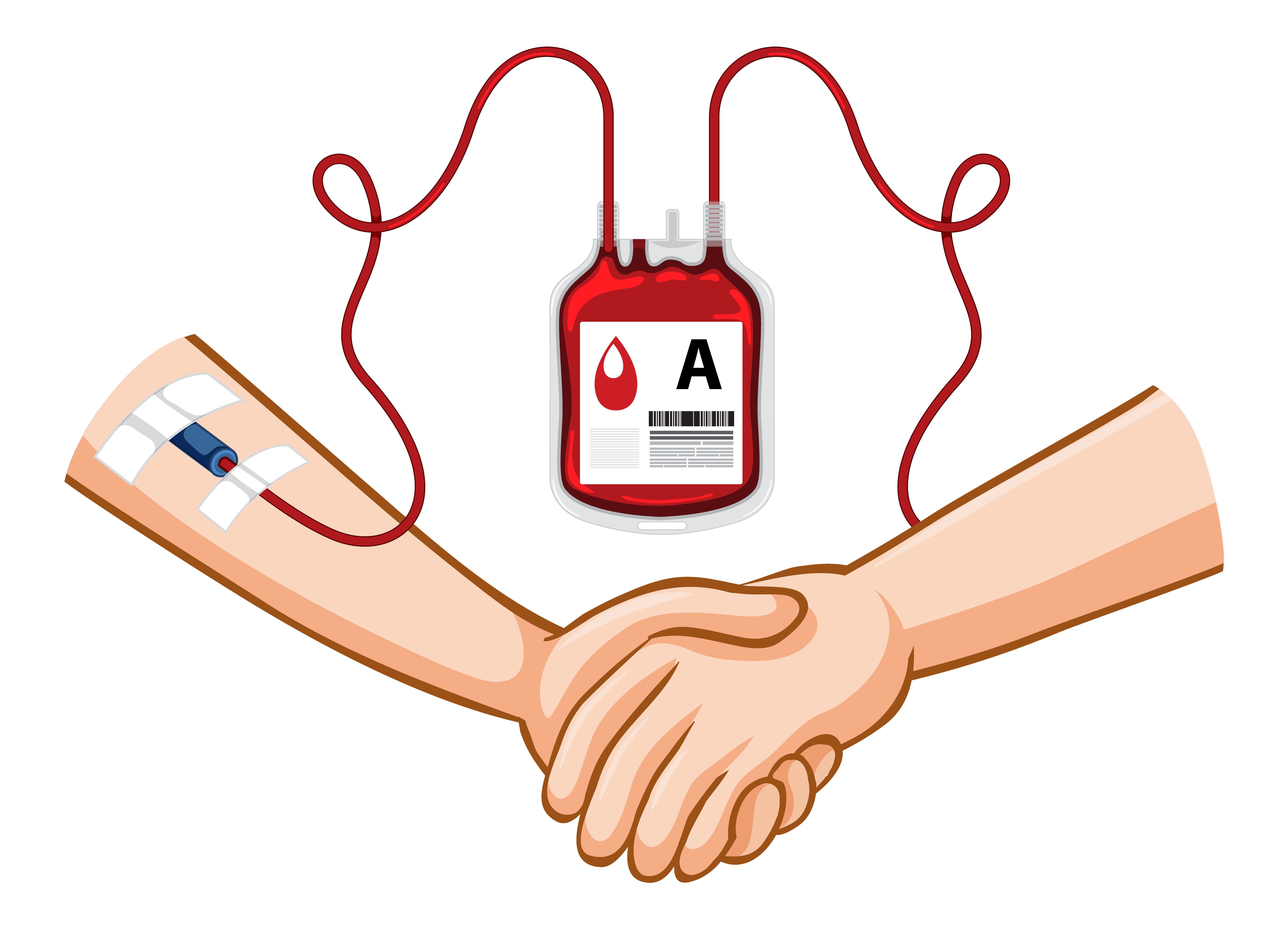
January is often a difficult month for blood centers. Between winter weather canceling drives and seasonal illnesses keeping regular donors at home, blood supplies frequently hit critical lows. That is why January is designated as National Blood Donor Month.

Why It Matters

A single blood donation can save up to three lives. Whether it’s for trauma patients, those undergoing surgery, or individuals battling cancer, your “liquid gold” is a resource that cannot be manufactured in a lab.

How to Participate

  • Check Your Eligibility: Most healthy adults weighing at least 110 pounds can donate.
  • Hydrate and Eat: Ensure you have a iron-rich meal (think spinach or lean proteins) and plenty of water before your appointment.
  • The Power of Platelets: If you have a little extra time, consider donating platelets, which are vital for cancer patients and have a very short shelf life.

2. Prioritizing Prevention: Cervical Health Awareness Month

Cervical Health Awareness Month

Cervical cancer was once one of the most common causes of cancer death for American women. Today, thanks to the HPV vaccine and regular Pap tests, it is one of the most preventable and treatable forms of cancer.

Key Prevention Steps

January serves as a reminder to book those screenings you might have pushed off during the holiday rush.

  • The HPV Vaccine: This vaccine protects against the types of Human Papillomavirus that causes cervical cancers. It is most effective when given earlier in life but is now approved for adults up to age 45.
  • Regular Screenings: Depending on your age and history, your doctor will recommend a Pap test, an HPV test, or a combination of both.
  • Early Detection: When caught early, cervical cancer has a high survival rate. Don’t ignore symptoms like unusual spotting or pelvic pain—be your own best advocate.

3. The “Dry January” Reset

Bad alcohol habit
Bad alcohol habit

After the indulgence of the holiday season, Dry January—the practice of abstaining from alcohol for 31 days—has become a global phenomenon. It’s not just about “detoxing”; it’s about re-evaluating your relationship with alcohol and noticing how your body responds to the change.

The Benefits of a Month Off

Most participants report significant health improvements within just two to three weeks:

Better Sleep: Alcohol disrupts your REM cycle. Without it, you’ll likely find you wake up feeling more rested.

Clearer Skin: Alcohol is a diuretic that dehydrates the skin; quitting leads to a more hydrated, radiant complexion.

Mental Clarity: Removing a depressant from your system can reduce “brain fog” and lower anxiety levels.

Survival Tips for the Month

  • Explore Mocktails: The “sober curious” movement has led to an explosion of alcohol-free spirits and botanical elixirs.
  • Identify Triggers: Notice when you crave a drink. Is it stress? Boredom? Finding a substitute activity, like a 10-minute walk or a hot tea, can break the habit.

Fresh Starts: 10 Essential Tips to Elevate Your Physical Health

Physical Health Tips

Starting a new year often feels like opening a blank notebook. While big goals are inspiring, physical wellness is truly built on the small, consistent choices we make every day. If you are looking to revitalize your routine this January, here are 10 foundational tips to help you feel your best from the inside out.

Stay Active: Regular movement is a powerhouse for your body, it improves heart health, ensures better sleep, and boosts energy levels. It can even decrease the risk of chronic diseases. Don’t feel pressured to spend hours at the gym; start by trying just 15 minutes a day.

Eat a Balanced Diet: Focus on nourishing your body by controlling ingredients and portion sizes. Meal planning is a great way to stay on track but remember that wellness includes flexibility—enjoy your favorite foods in moderation.

Stay Hydrated: Water is the fuel for your cells. Drinking enough water supports mental clarity, maintains healthy skin, and aids in weight management. Aim for a baseline of 2 liters a day.

Get Adequate Sleep: Think of sleep as your body’s “repair mode.” Quality rest boosts your immune system and sharpens brain function. Aim for 7 to 9 hours each night and try to keep a consistent schedule—even on weekends!

Limit Alcohol and Avoid Smoking: Protecting your organs is key to longevity. Excessive alcohol can lead to liver damage and impact on mental health, while smoking significantly increases the risk of lung cancer and heart disease.

Regular Health Check-ups: Prevention is the best medicine. Stay on top of standard blood tests, blood pressure monitoring, and other preventative screenings to catch any potential issues early.

Manage Stress: Chronic stress takes a physical toll on the body. Incorporate “calm moments” into your day through meditation, yoga, deep breathing exercises, or simply making time for the hobbies you love.

Maintain Healthy Weight: Weight is a personal metric that varies by individual. Focus on a range that makes you feel strong, mobile, and energetic, rather than just a number on a scale.

Prioritize Mental Health: Your mind and body are deeply connected. Try to connect with others, as regular social interaction significantly improves your mood and overall outlook on life.

Get Regular Sunlight: Nature provides a free, natural source of Vitamin D, which is essential for healthy bones and teeth. It also supports your immune system and helps your body absorb calcium and phosphorus. Try to get 10 to 30 minutes of sunlight several times a week.

FAQs

1)What is Clover Staffing?

Clover Health Services (often referred to as Clover Staffing) is a nationwide healthcare staffing agency that specializes in providing clinical workforce solutions. We act as a bridge between healthcare facilities (such as hospitals, long-term acute care, and outpatient clinics) and skilled clinicians. We primarily focus on travel and local assignments, typically ranging from 13 to 26 weeks, and offer 24/7 professional support to their staff, including help with payroll, compliance, and credentialing.

2)Is Clover Staffing only for Registered Nurses?

No. While Clover Staffing has a strong focus on nursing (including specialties like ICU, ER, and Labor & Delivery), they represent a broad range of healthcare professionals. Our services extend beyond Registered Nurses (RNs) to include various clinical and technical roles across the medical field.

3)Does Clover Staffing place Allied Health Professionals?

Yes. Clover Staffing actively recruits and places Allied Health Professionals. We staff a variety of allied roles, including:

  • Therapists: Physical Therapists (PT), Occupational Therapists (OT), and Speech-Language Pathologists (SLP).
  • Imaging Specialists: Radiology Techs and CT Techs.
  • Technicians: Surgical Technologists and Cardiovascular Technologists.
  • Respiratory Care: Respiratory Therapists.
🗓️ December Focus: Health, Rights, and Global Action

December is here, and with it comes an important stretch of observances dedicated to global health, human rights, and community well-being. Let’s take a moment to reflect on these key days and weeks and consider how we can all participate in raising awareness and taking the right action.

World AIDS Day: December 1st 🎗️

World AIDS Day
World AIDS Day

Every year on December 1st, the world pauses to observe World AIDS Day. This day is a critical opportunity to remember those we have lost, celebrate the progress made in prevention and treatment, and, most importantly, reaffirm our collective resolve.

The core message remains clear: we must be steadfast in our commitment to prevent new HIV infections and ensure essential services are accessible to all people living with HIV globally. While incredible advances in medicine have made living with HIV manageable, the fight against stigma and the push for universal access continue.

  • Take Action: Remain informed, advocate for equitable healthcare access, and continue the conversation.
  • Join the fight: You can learn more and get involved at https://worldaidsday.org/.

International Persons with Disability Day: December 3rd

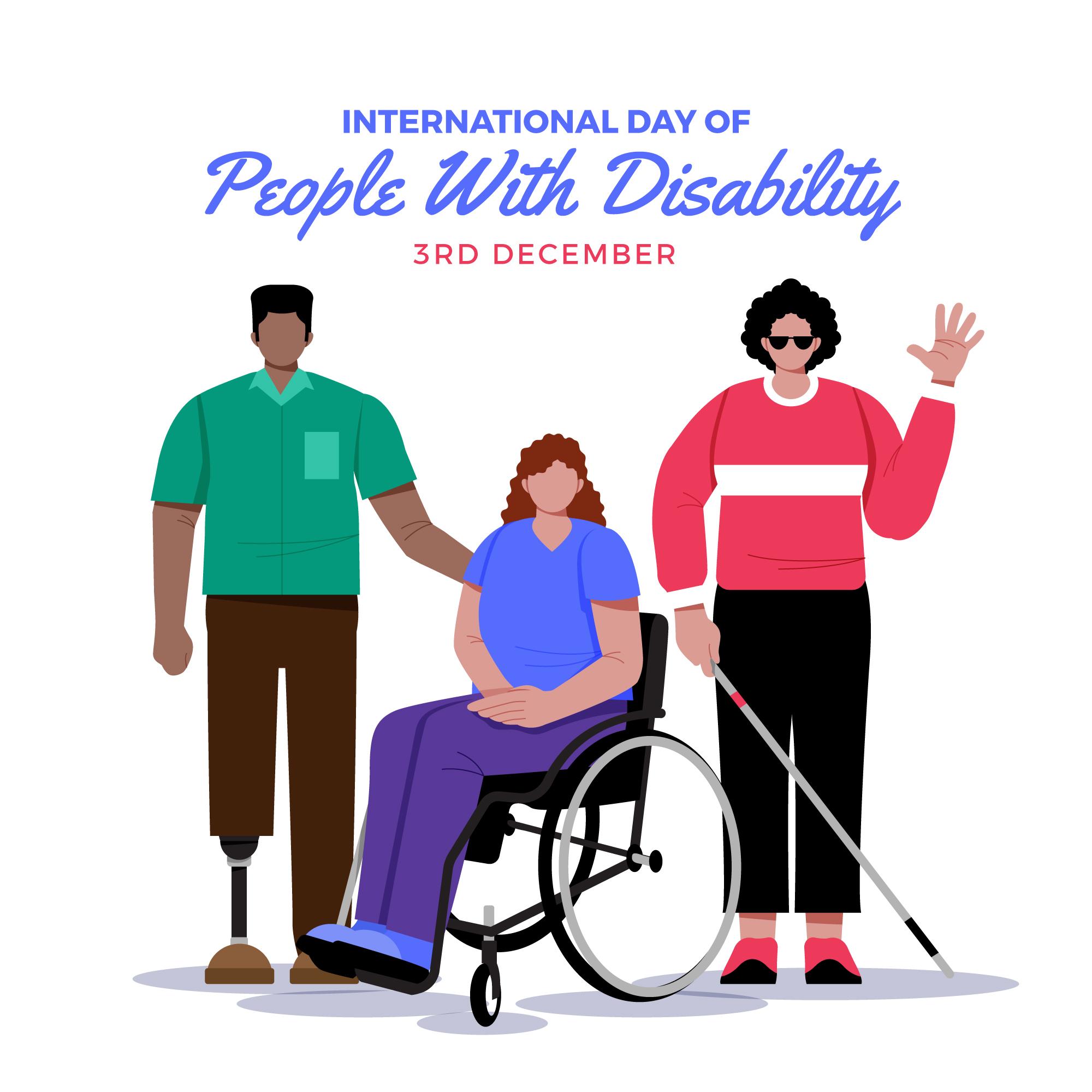
International Day of People with Disability

Just a few days later, on December 3rd, we mark the International Day of Persons with Disabilities (IDPD). Established by the United Nations in 1992, this annual observance promotes the rights and well-being of people with disabilities across all spheres of life.

The day is dedicated to increasing awareness and mobilizing support for the inclusion of people with disabilities in political, social, economic, and cultural life. It’s a reminder that true societal progress means breaking down barriers—physical, attitudinal, and systemic—to ensure full and equal participation for everyone.

Visit the official United Nations page for more information on the day’s theme and ongoing initiatives https://www.un.org/en/observances/day-of-persons-with-disabilities.

National Influenza Week: December 7th to 13th 🩹

National Influenza Week

As winter sets in, it’s the perfect time for the annual National Influenza Awareness Week, typically observed in early December (December 7th to 13th). Sponsored by organizations like the CDC, this campaign has a simple yet vital message: Get Your Flu Shot!

The annual flu vaccine is highlighted as the best protection against the flu. Organizations and healthcare providers use this week to remind the public that it’s never too late to get vaccinated, as the flu season can stretch on for months. Getting the shot is a simple step you can take not only to protect yourself but also to help protect the vulnerable members of your community.

If you haven’t already, find a local clinic or pharmacy and get your annual flu vaccine!

From Shore to City: Unbeatable Travel Healthcare Opportunities in New York and New Jersey

The northeastern corridor, anchored by the states of New York (NY) and New Jersey (NJ), is a dream destination for travel nurses and allied health professionals. This dynamic region offers an unparalleled combination of world-class healthcare facilities, highly competitive travel nursing salary packages, and a breathtaking blend of metropolitan energy and coastal tranquility. For clinicians seeking to advance their careers while experiencing diverse culture and stunning landscapes, a travel healthcare assignment in the Tri-State area is truly an unbeatable choice.

New York: The Epicenter of Medical Innovation

New York State, particularly New York City (NYC), is a global powerhouse of medicine, research, and innovation. Working here means stepping into some of the most technologically advanced and high-acuity environments in the world, offering invaluable professional growth.

Unrivaled Clinical Diversity in NYC

The sheer density of top-tier hospitals in Manhattan and the surrounding boroughs—such as New York-Presbyterian, Mount Sinai, and NYU Langone—creates a constant, high demand for skilled healthcare professionals. This is where you’ll find opportunities to work in virtually every specialty, tackling complex and rare cases that will significantly enhance your résumé.

  • Top Specialties in Demand: ICU Nurse (Critical Care), ER Nurse, Labor and Delivery RN, Surgical Tech, and specialty Allied Health roles like Physical Therapist and Respiratory Therapist are consistently sought after.
  • High-Acuity Experience: Travel contracts here provide exposure to major trauma centers, advanced research protocols, and specialized units, making you a more versatile and marketable clinician.

Beyond the Metropolis

New York’s opportunities extend far beyond the five boroughs. Upstate New York and Long Island present a different, yet equally rewarding, set of options. Hospitals in Buffalo, Rochester, Albany, and across Long Island offer strong community healthcare systems, often with a slightly lower cost of living than NYC, while still providing robust contracts. You can trade the subway commute for the scenic beauty of the Finger Lakes or the Adirondacks, maintaining a high-level career without sacrificing a peaceful lifestyle.

New Jersey: The Garden State Advantage

New Jersey, often viewed as the perfect counterpoint to New York, provides a strategic hub for travel allied health and travel nursing jobs. Its location directly across from NYC and Philadelphia, combined with its own strong network of medical institutions, makes it an incredibly attractive place for short-term contracts.

Proximity, Pay, and the Compact

New Jersey is a healthcare corridor, home to massive health systems like Hackensack Meridian Health and RWJ Barnabas Health. Crucially, New Jersey is a compact state for nursing (a member of the eNLC), which significantly simplifies the licensing process for registered nurses who already hold a multi-state license, streamlining their transition into a high-paying contract.

  • Competitive Compensation: New Jersey travel salary packages are competitive, often ranking among the highest due to the concentration of major metropolitan areas and persistent need for staff. The pay structure typically includes high hourly wages plus generous tax-free stipends for housing and meals.
  • Specialty Hotspots: There’s a constant need for Cath Lab Techs, ER Nurses, Oncology RNs, and Med-Surg Telemetry staff in the northern, central, and southern regions of the state.

Shore Life and Suburban Ease

New Jersey delivers true geographical diversity. Travel professionals can choose contracts in:

  1. Northern NJ (Near NYC): Perfect for those who want easy access to Manhattan’s culture but prefer the slightly lower cost and quieter pace of suburban living in places like Jersey City, Newark, or Hackensack.
  2. The Jersey Shore: Coastal hospitals in towns like Atlantic City or Long Branch see seasonal patient surges, creating fantastic opportunities for well-paid, short-term contracts that allow you to enjoy the beach and boardwalk after your shift.
  3. Central/Southern NJ: Opportunities in academic towns like Princeton or hospitals closer to Philadelphia offer excellent clinical experience in sophisticated settings with a focus on community care.

Frequently Asked Questions (FAQs)

1. Is my current nursing license valid in New Jersey or New York?

New Jersey is an active member of the Nurse Licensure Compact (NLC). If your primary state of residence is an NLC state and you hold a multi-state license, you can practice in New Jersey immediately. New York is not a compact state; you will need to apply for a single-state New York license to work there, which your travel agency can help expedite.

2. What are the highest-demand specialties for travel contracts in this region?

Demand is consistently high for ICU/Critical Care RNs, Emergency Room (ER) Nurses, and Labor and Delivery (L&D) RNs due to the high volume of major trauma centers and maternity units. On the allied side, Physical Therapists (PTs), CT Techs, and Surgical Techs are frequently in demand, often commanding premium rates.

3. How does the cost of living affect the travel nurse pay packages?

While the cost of living, particularly housing in NYC and Northern NJ, is high, the overall travel nursing salary packages are structured to compensate. Agencies typically offer significant tax-free housing stipends—often higher than in other parts of the country—which, when combined with your hourly wage, result in highly competitive take-home pay that offsets local expenses.

4. Are 13-week contracts the only option, or are longer assignments available?

The 13-week contract is the industry standard for travel nursing and allied health in NY and NJ. However, due to the persistent staffing needs, many facilities offer extensions, allowing you to stay for 6 or even 9 months. Some facilities also offer shorter contracts (8-10 weeks) to meet acute needs. Discuss your desired stay with your recruiter early in the process.

Conclusion: Your Adventure Awaits

The journey From Shore to City—from the Atlantic beaches of New Jersey to the towering healthcare institutions of New York—offers more than just a job; it offers a transformative experience. Whether you seek the fast pace of a major metropolitan hospital or the focused care of a regional center, the unbeatable travel healthcare opportunities in NY and NJ are waiting. Pack your scrubs, prepare your license applications, and get ready for a career adventure that merges top-tier medicine with iconic American culture. Start your travel assignment here and elevate your career to the next level.

High-Paying RN Jobs This Fall in the USA

As we enter the fall season, healthcare systems are preparing for the annual respiratory surge that typically peaks between October and March. This creates exceptional opportunities for registered nurses, particularly in specialties where demand—and earning potential—soars. At Clover Staffing, we’re connecting RNs with these premium-paying roles every day.  Explore high-paying RN jobs now! 

The demand for skilled nurses remains consistently high across the United States, but certain specialties stand out for their exceptional earning potential. This fall, as healthcare systems continue to adapt and evolve, understanding which high-paying RN jobs command the highest salaries can be a game-changer for your career. 

Let’s dive into some of the most lucrative RN specialties that are shining bright this fall. 

1. Intensive Care Unit (ICU) Nurse *Peak Season Specialty 

ICU nurses in high-paying RN jobs

ICU nurses are the backbone of critical care, providing round-the-clock monitoring and intervention for patients with severe and life-threatening medical conditions. They manage complex medical equipment, administer powerful medications, and make rapid, critical decisions, often under immense pressure. 

Why It Commands Premium Pay:  

The high-stakes environment and complex patient conditions require nurses with exceptional clinical judgement and technical expertise. During respiratory surge seasons, ICU demand skyrockets, often leading to premium pay rates, overtime opportunities, and seasonal bonuses. ICU nurses manage multiple drips, ventilators, and monitoring equipment while coordinating care with multidisciplinary teams. The seasonal surge in respiratory patients requiring mechanical ventilation makes these skills particularly valuable from October through March. According to Glassdoor 2025 survey, the average annual salary of an ICU nurse is $98,000 per year.

Required Skills & Certifications: 

  • CCRN (Critical Care Registered Nurse) certification highly valued 
  • Advanced knowledge of hemodynamics and critical care pharmacology 
  • Proficiency with ventilators, dialysis machines, and monitoring equipment 
  • Strong assessment and rapid response capabilities 
  • Experience with respiratory protocols and ventilator management 

2. Emergency Room (ER) Nurse *Peak Season Specialty 

ER nurses thrive in a fast-paced, unpredictable environment, caring for patients with a wide range of conditions, from minor injuries to life-threatening emergencies. They must be adept at rapid assessment, stabilization, and prioritization, often managing multiple critical patients simultaneously. 

Why It Commands Premium Pay (Especially This Season): 

The unpredictable nature of emergency care requires nurses with broad clinical knowledge and exceptional multitasking abilities. During the October-March respiratory surge, ER see dramatic increases in patient volumes, with many requiring immediate respiratory support and triage for potential ICU admission. The high-stress environment, increased shift work needs, and seasonal surge demand often result in enhanced compensation packages, including crisis pay and overtime premiums. According to Bureau of Labor Statistics data, the average annual salary of an ER nurse is $111,166 per year or $53.45 per hour.

Required Skills & Certifications: 

  • CEN (Certified Emergency Nurse) certification preferred 
  • TNCC (Trauma Nursing Core Course) certification 
  • Advanced cardiac life support (ACLS) and advanced pediatric life support (PALS) 
  • Triage assessment expertise and crisis management skills 
  • Strong respiratory assessment and emergency intervention skills 

 
Ready for your next ER assignment? See open ER roles with Clover Staffing 

3. Neonatal Intensive Care Unit (NICU) Nurse 

Caring for the tiniest and most vulnerable patients, NICU nurses are specialists in the critical care of newborns, particularly those born prematurely or with life-threatening illnesses. This demanding role requires delicate touch, profound medical knowledge, and the ability to communicate calmly with anxious parents. 

Why It Commands Premium Pay: 

The extraordinary level of precision required for neonatal care drives high compensation in this specialty. NICU nurses must master delicate procedures, such as managing tiny IV lines, operating specialized incubators and ventilators, and administering medications in precise doses. The emotional intensity of supporting families through critical moments, combined with the need for advanced monitoring skills, makes these nurses invaluable to healthcare teams. 

Required Skills & Certifications: 

  • Neonatal Resuscitation Program (NRP) certification 
  • RNC-NIC (Neonatal Intensive Care Nursing) specialty certification preferred 
  • Advanced knowledge of fetal development and neonatal physiology 
  • Expertise in specialized equipment and monitoring systems 

Ready for your next NICU assignment? See open NICU roles with Clover Staffing 

4. Operating Room (OR) Nurse / Perioperative Nurse 

OR nurses in high paying RN jobs

OR nurses, also known as perioperative nurses, are essential before, during, and after surgical procedures. They can specialize as scrub nurses (maintaining a sterile field and assisting the surgeon) or circulating nurses (managing the OR environment, advocating for the patient, and ensuring safety). 

Why It Commands Premium Pay:

The specialized nature of surgical care demands meticulous attention to detail and extensive knowledge of surgical procedures and instrumentation. OR nurses operate in a high-stakes environment, directly impacting patient outcomes during surgery. The role requires sterile technique proficiency, the ability to anticipate surgeon needs, and rapid response to intraoperative complications. The consistent, high demand for skilled surgical staff across various specialties—from general to neurosurgery—contributes to higher salaries. According to Indeed 2025 data, the average annual salary of an OR nurse is $123,676 per year or $59.46 per hour.

Required Skills & Certifications:

  • CNOR (Certified Nurse Operating Room) certification highly valued
  • Advanced knowledge of surgical asepsis and sterile technique
  • Proficiency with surgical instrumentation and equipment (e.g., electrosurgery, laparoscopy)
  • Expertise in patient positioning and safety during surgery
  • Strong collaborative and communication skills with surgical teams (surgeons, anesthesiologists, techs)
  • Experience in circulating and scrubbing roles is a plus

Ready for your next OR assignment? See open OR roles with Clover Staffing 

5. Oncology Nurse 

Oncology nurses provide comprehensive care to patients with cancer, from diagnosis and treatment through remission or end-of-life care. This role requires not only clinical expertise in administering chemotherapy and managing side effects but also immense compassion and strong communication skills to support patients and their families through a challenging journey. 

Why It Commands Premium Pay:

The complexity of cancer treatments, which include administering chemotherapy and immunotherapy, require specialized and continually updated knowledge of drug protocols, side effect profiles, and advanced symptom management. The emotional intensity of supporting patients through a cancer diagnosis and treatment is also a significant factor. Oncology nurses often manage complex patient cases requiring advanced assessment skills to detect subtle changes that could indicate complications like neutropenic fever or tumor lysis syndrome.

Required Skills & Certifications:

  • OCN (Oncology Certified Nurse) certification highly valued
  • Expertise in chemotherapy administration and safety protocols
  • Advanced skills in pain and symptom management (e.g., nausea, fatigue, mucositis)
  • Proficiency in patient education regarding treatment plans and self-care
  • Strong emotional resilience and communication skills for end-of-life care and patient support
  • Knowledge of oncologic emergencies and rapid intervention

Ready for your next Oncology assignment? See open Oncology roles with Clover Staffing 

6. Cardiac Nurse 

Cardiac nurses are dedicated professionals who specialize in the care of patients with heart and vascular diseases. Their role involves a broad spectrum of care, including managing chronic conditions like heart failure and hypertension, providing pre- and post-operative care for heart surgeries, and educating patients on lifestyle changes. They are skilled in monitoring cardiac rhythms, administering specialized medications, and providing essential support and guidance to patients and their families throughout their treatment journey. 

Why It Commands Premium Pay:

The highly specialized nature of cardiac interventions, which often involve lifesaving, high-risk procedures, demands an advanced and unique skill set. Cardiac nurses in these roles must possess an in-depth understanding of cardiac anatomy, advanced hemodynamics, and sophisticated monitoring technology. The work has an immediate, critical impact on patient outcomes, and the necessity of coordinating care within a fast-paced, high-acuity environment contributes to their attractive salaries. Their expertise with advanced diagnostic and interventional technology is a key driver of the high compensation.

Required Skills & Certifications:

  • ACLS (Advanced Cardiac Life Support) certification is mandatory.
  • Specialty certifications such as CCRN-K (Cardiac Surgery), CV-BC (Cardiovascular Nursing Board Certified), or RCIS (Registered Cardiovascular Invasive Specialist) are highly valued.
  • Proficiency with cardiac-specific equipment (e.g., hemodynamic monitoring systems, intra-aortic balloon pumps, Impella devices).
  • Expert knowledge of cardiac pharmacology and emergency cardiac protocols.
  • Strong ability to rapidly assess and manage unstable cardiac patients.
  • Experience in pre-, intra-, and post-procedural care for catheterizations, ablations, and pacemaker insertions.

Ready for your next Cardiac assignment? See open Cardiac roles with Clover Staffing 

7. Orthopedic Nurse 

Orthopaedic nurses are required for high-demand RN jobs across USA

Orthopedic nurses specialize in the care of patients with musculoskeletal conditions, including fractures, arthritis, and surgical interventions like joint replacements. They are vital in pre-operative education, post-operative care, pain management, and rehabilitation. 

Why It Commands Premium Pay:

The sheer volume and complexity of orthopedic surgeries, which include everything from joint replacements (hips, knees, shoulders) to trauma care for fractures, drive the demand for specialized nurses. Orthopedic nurses possess specialized knowledge of musculoskeletal conditions, pre- and post-operative care, and complex pain management. The need for highly skilled nurses to manage recovery, rehabilitation, and patient mobility is constant, making this a well-compensated field.

Required Skills & Certifications:

  • ONC (Orthopedic Nursing Certification) highly valued
  • Advanced skills in post-operative care, including wound and drain management
  • Expertise in pain management protocols specific to musculoskeletal injury/surgery
  • Proficiency in patient mobility, safe handling, and assistive device training
  • In-depth knowledge of traction, casting, and continuous passive motion (CPM) equipment
  • Strong patient education skills regarding long-term rehabilitation and injury prevention

Ready for your next Orthopedic assignment? See open Orthopedic roles with Clover Staffing 

8. Psych Nurse 

Psychiatric-mental health nurses, also known as psych nurses, specialize in the care of individuals, families, and communities experiencing mental health disorders or substance abuse issues. They work in various settings, including hospitals, clinics, and community mental health centers, providing a wide range of services from assessing patients’ mental and physical health to administering medication and providing psychotherapy. 

Why It Commands Premium Pay:

The high demand for mental health professionals, coupled with the specialized skills required to manage complex behavioral and psychological conditions, makes this a high-paying career. These professionals play a critical role in promoting patient stability, recovery, and overall quality of life. The intellectual rigor, emotional labor, and extensive training involved justify the premium compensation.

Required Skills & Certifications:

  • State Licensure is mandatory for independent practice.
  • Specialized training in areas like Cognitive Behavioral Therapy (CBT), Dialectical Behavior Therapy (DBT), or psychopharmacology.
  • Advanced diagnostic skills using criteria from the DSM-5 (Diagnostic and Statistical Manual of Mental Disorders).
  • Exceptional interpersonal and communication skills for effective therapy and patient management.

Ready for your next Psych assignment? See open Psych roles with Clover Staffing 

Conclusion 

The nursing profession offers a diverse array of rewarding career paths, and for those looking to maximize their income, several specialties consistently stand out. This fall, whether you’re considering a move into advanced practice as a Psych nurse, dedicating yourself to the critical care of NICU babies, or thriving in the fast-paced environment of the ER, the opportunities for high-paying RN jobs are abundant. By combining specialized skills, advanced education, and strategic career planning, you can ensure your nursing career is as financially healthy as it is professionally fulfilling. 

Demystifying Travel Nursing Requirements: What You Need to Know Before You Go

The allure of travel nursing is undeniable: exciting new cities, diverse clinical experiences, and often, a significantly higher earning potential. For many Registered Nurses (RNs), it represents a refreshing change from the routine of a permanent staff position, offering a unique blend of adventure and professional growth.

However, before you pack your bags and hit the open road, it’s crucial to understand the intricate web of travel nursing requirements. This comprehensive guide aims to demystify the process, outlining everything you need to know to successfully launch your career in this dynamic field.

The Foundation: Becoming a Registered Nurse

The absolute cornerstone of any travel nurse job is, of course, being a licensed Registered Nurse. This isn’t a unique requirement to travel nursing but is the fundamental prerequisite for any nursing role in the United States. To achieve RN status, you must:

  1. Obtain an Associate Degree in Nursing (ADN) or a Bachelor of Science in Nursing (BSN): While both degrees qualify you to sit for the NCLEX-RN, a BSN is increasingly preferred, and sometimes required, by many healthcare facilities, especially those seeking Magnet recognition. A BSN often provides a broader theoretical foundation and may open more doors in the long run.
  2. Pass the NCLEX-RN Examination: This standardized exam assesses the competency of nursing school graduates. It’s a critical step, and successful completion is mandatory for licensure.
  3. Obtain a State Nursing License: Once you’ve passed the NCLEX-RN, you’ll apply for licensure in your desired state. This initial license will be your “home state” license.

Gaining the Essential Experience: Beyond the Classroom

While fresh graduates are eagerly sought after for many nursing jobs, travel nursing isn’t typically an entry-level position. Most travel nurse agencies and healthcare facilities require a substantial amount of practical experience to ensure you can seamlessly integrate into new environments and handle diverse patient populations with minimal orientation.

  • Clinical Experience: The golden rule for aspiring travel nurses is to acquire at least one to two years of recent, acute-care clinical experience in a specialized area. While general medical-surgical experience is valuable, specialties like Intensive Care Unit (ICU), Emergency Room (ER), Operating Room (OR), Labor & Delivery (L&D), and Post-Anesthesia Care Unit (PACU) are particularly in high demand. Some niche specialties might require even more experience. This experience demonstrates your competence, adaptability, and ability to handle high-pressure situations.
  • Specialty-Specific Skills: Beyond general nursing skills, ensure you are proficient in the specific procedures, equipment, and patient populations relevant to your chosen specialty. For instance, an ICU travel nurse will need to be highly skilled in ventilator management, hemodynamic monitoring, and critical drip titrations.

Licensing for the Road: The Nurse Licensure Compact (NLC) and Beyond

One of the most frequent questions for aspiring travel nurses revolves around multi-state licensure. Navigating different state boards of nursing can seem daunting, but the Nurse Licensure Compact (NLC) has significantly streamlined the process.

  • The Nurse Licensure Compact (NLC): If your home state (the state where you declare primary residency) is a member of the NLC, you can obtain a multi-state license. This license allows you to practice in any other NLC compact state without needing to apply for a new license in each state. This is incredibly advantageous for travel nurses, offering immense flexibility.
  • Single-State Licenses: If your home state is not part of the NLC, or if you wish to take an assignment in a non-compact state, you will need to apply for a single-state license by endorsement in that specific state. This typically involves applying, paying fees, providing proof of your existing license, and sometimes completing a background check. Your travel nurse agency will often assist you with this process, but it’s essential to understand that it can take several weeks or even months for a new license to be issued. Plan!

Essential Certifications: Demonstrating Competence

Beyond your basic RN license, certain certifications are non-negotiable for most travel nurse jobs. These demonstrate your preparedness for critical situations and are a standard expectation in modern healthcare.

  • Basic Life Support (BLS): This is universally required for virtually all healthcare professionals. It covers fundamental life-saving skills like CPR and relief of choking.
  • Advanced Cardiovascular Life Support (ACLS): Often required for nurses working in acute care settings, especially in ER, ICU, telemetry, and critical care units. ACLS training focuses on advanced cardiac life support interventions.
  • Pediatric Advanced Life Support (PALS): Necessary for nurses working with pediatric populations, such as in pediatric ER, PICU, or pediatric med-surg.
  • Neonatal Resuscitation Program (NRP): Essential for nurses in Labor & Delivery, Postpartum, and Neonatal Intensive Care Units (NICU).
  • Specialty-Specific Certifications: Depending on your specialty, additional certifications might be required or highly recommended, such as Trauma Nursing Core Course (TNCC) for ER nurses or Certified Critical Care Registered Nurse (CCRN) for ICU nurses. These demonstrate advanced expertise and can make you a more competitive candidate.

Health and Compliance Requirements: Ensuring You’re Ready to Work

Healthcare is a highly regulated industry, and healthcare staffing agencies and hospitals have stringent requirements to ensure patient and staff safety. Before you can begin an assignment, you’ll need to fulfill various health and compliance mandates:

  • Immunizations: Proof of up-to-date immunizations is critical, including but not limited to MMR (Measles, Mumps, Rubella), Varicella (Chickenpox), Tdap (Tetanus, Diphtheria, Pertussis), and an annual Flu vaccine. COVID-19 vaccination is also commonly required.
  • TB Testing: You’ll need recent proof of a negative Tuberculosis (TB) test, often a PPD skin test or a blood test like Quantiferon-TB Gold.
  • Physical Exam: A recent physical exam demonstrating your fitness for duty is typically required.
  • Drug Screening: All travel nurse agencies will require a pre-employment drug screen.
  • Background Checks: Comprehensive federal and state background checks are standard to ensure you meet all legal and ethical requirements for patient care.
  • Skills Checklists and Competency Exams: Your agency will likely have you complete skills checklists relevant to your specialty and may administer competency exams to verify your knowledge and abilities.
  • References: You’ll typically need to provide professional references from past supervisors or colleagues.

Partnering with a Travel Nurse Agency: Your Guide on the Journey

While it’s possible to find direct contracts, the vast majority of travel nurses work through a travel nursing agency. These agencies act as your employer, connecting you with travel nurse jobs at various facilities, managing your contracts, payroll, benefits, and often assisting with licensing and housing.

When choosing an agency, consider:

  • Reputation and Reviews: Look for agencies with a strong track record and positive feedback from other travel nurses.
  • Recruiter Relationship: A good relationship with your recruiter is paramount. They are your primary point of contact and advocate.
  • Job Availability: Does the agency have a wide range of assignments in your desired specialties and locations?
  • Compensation and Benefits: Understand their pay structure, stipends, health insurance, and retirement options.
  • Support Services: Do they help with housing, travel, licensing, and 24/7 support?

Soft Skills: The Unsung Heroes of Travel Nursing

Beyond the concrete requirements, certain soft skills are critical for success as a travel nurse:

  • Adaptability: You will be constantly adjusting to new facilities, charting systems, policies, and teams. The ability to quickly integrate and learn is essential.
  • Strong Communication Skills: Clear and concise communication with new colleagues, physicians, and patients is vital for effective patient care and team cohesion.
  • Problem-Solving: You’ll encounter unfamiliar situations; resourcefulness and the ability to think on your feet are invaluable.
  • Independence and Self-Reliance: While agencies offer support, travel nursing requires a degree of self-sufficiency. You are often far from your usual support system.
  • Resilience: The highs and lows of travel nursing can be intense. Maintaining a positive attitude and bouncing back from challenges are key.

Before You Go: A Final Checklist

  1. Ensure you are a fully licensed Registered Nurse (RN) with either an ADN or BSN.
  2. Accumulate at least 1-2 years of recent, acute-care clinical experience in your specialty.
  3. Possess the necessary certifications (BLS, ACLS, PALS, NRP, etc.) for your chosen specialty.
  4. Confirm your licensing status (NLC multi-state or single-state for your target assignment).
  5. Gather all health documents, immunization records, and be prepared for drug screens and background checks.
  6. Research and partner with a reputable travel nurse agency and establish a good rapport with your recruiter.
  7. Cultivate your adaptability, communication, and problem-solving skills.

Embarking on a career in travel nursing can be one of the most rewarding decisions you make as a Registered Nurse. It offers unparalleled opportunities for professional development, personal growth, and the chance to see the country while making a tangible difference in people’s lives. By thoroughly understanding and preparing for these essential travel nursing requirements, you’ll be well-equipped to navigate the journey and truly thrive in this exciting and dynamic field. The open road, and a world of diverse nursing jobs, awaits!

FAQs

1) How to become a travel nurse in the USA ?

To become a travel nurse in the USA, you must first become a Registered Nurse (RN) by earning either an Associate Degree in Nursing (ADN) or a Bachelor of Science in Nursing (BSN) and passing the NCLEX-RN exam. Most travel nurse staffing agencies require you to have at least one to two years of clinical experience as an RN.

After gaining the necessary experience, you will need to apply for a nursing license in the state where you plan to work, or a multi-state license through the Nurse Licensure Compact (NLC) if your home state is a member. Finally, you can work with a travel nurse staffing agency to find and apply for temporary assignments at hospitals and other healthcare facilities across the country.

2) What are the basic travel nurse requirements?

The basic requirements for a travel nurse include being a Registered Nurse (RN) with either an ADN or BSN degree, passing the NCLEX-RN exam, and holding a valid nursing license. In addition, most agencies require at least one to two years of experience as an RN, with a preference for specific specialties like ICU or ER.

Other typical requirements include certain certifications such as Basic Life Support (BLS) and Advanced Cardiovascular Life Support (ACLS), and the ability to adapt quickly to new environments and work with different teams.

3) What is a travel nurse’s salary in the USA?

Travel nurse salaries in the USA can vary significantly based on location, specialty, and the urgency of the assignment. According to data from various sources, the average annual salary for a travel nurse is around $101,132. However, this can fluctuate widely, with some top earners making over $130,000 annually.

Travel nurses often receive a “blended rate” that includes a taxable hourly wage plus tax-free stipends for housing, meals, and other expenses, which can significantly increase their take-home pay compared to a staff nurse. States and cities with a high cost of living or a critical nursing shortage often offer higher salaries and stipends.

A Healthier September: Mark Your Calendar for These Important Days

September is a month filled with opportunities to learn more about important health topics and get involved in your community. Here are a few key health awareness days to keep on your radar.

Suicide Prevention Day: September 10th

Suicide Prevention Day is a time for communities and organizations to raise awareness, educate the public, and provide vital resources to those who need them most. This year’s theme, “Change the Narrative on Suicide,” encourages us all to shift the conversation around mental health and suicide from one of stigma to one of support and understanding.

You can show your solidarity and help spread awareness by wearing purple and teal on September 10th. Learning to recognize the signs of someone in distress and knowing where to find help are crucial steps we can all take to save lives. For more information and resources, visit the International Association for Suicide Prevention.

World Sepsis Day: September 13th

Sepsis is a serious and potentially life-threatening condition. It happens when your body’s response to an infection goes into overdrive, causing widespread inflammation that can damage tissues and organs. Recognizing the symptoms early is critical for a timely diagnosis and treatment.

Seek immediate medical attention if you or someone you know experiences a combination of these symptoms:

A temperature that is higher or lower than normal.

Any signs of an existing infection.

Mental decline, such as feeling confused, sleepy, or being unable to wake up.

Feeling extremely ill with severe pain, discomfort, or shortness of breath.

For more information on sepsis, including prevention and treatment, you can find valuable resources on World Sepsis Day.

National Women’s Health and Fitness Day: September 25th

This day is all about celebrating and promoting the importance of physical activity and health awareness for women of all ages and backgrounds. Whether you’re a seasoned athlete or just getting started on your fitness journey, there’s something for everyone.

Events often include educational workshops, health screenings, walking events, and exercise demonstrations. You can participate by joining a local event, working out at home, or finding an online group. To discover more ways to get involved and celebrate, check out National Women’s Health and Fitness Day.

Beyond Nursing: Exploring High-Demand Travel Allied Health Careers 

The healthcare landscape is dynamic, constantly evolving to meet the needs of a diverse and ageing population. While travel nursing has garnered significant attention for its flexibility and rewarding opportunities, a parallel universe of exciting and high-demand careers exists within travel allied health jobs.  

These roles offer healthcare professionals the chance to leverage their specialized skills while experiencing new locations, cultures, and healthcare settings across the country. If you’re seeking adventure, professional growth, and competitive compensation, venturing beyond traditional nursing into the realm of travel allied health jobs might be your perfect next career move. 

The Expanding Universe of Travel Allied Health 

Allied health professionals encompass a broad spectrum of healthcare practitioners who support, diagnose, and treat patients across various medical specialities. Unlike nurses and physicians, they often focus on specific therapeutic areas or diagnostic procedures. 

The demand for these skilled individuals is consistently high, and the travel sector within allied health is experiencing significant growth, fuelled by factors such as staffing shortages in certain regions, the need for specialized expertise in temporary situations, and the increasing desire among healthcare professionals for flexible career options. 

 List of available travel allied health includes:

  • Physical therapists 
  • Occupational therapists 
  • Speech-language pathologists 
  • Respiratory therapists 
  • Medical technologists 
  • Imaging specialists such as Radiology Techs and CT Techs 

Within the imaging field, professionals specializing in Radiology Tech or CT tech are particularly in high demand for travel assignments. These roles are crucial for providing the diagnostic information physicians need to make informed treatment decisions. 

Shining a Spotlight: Radiology Tech and CT Tech Travel Roles 

Radiology techs, also known as radiologic technologists, are essential members of the healthcare team who perform diagnostic imaging examinations such as X-rays. They are skilled in positioning patients, operating imaging equipment, and ensuring image quality while adhering to strict radiation safety protocols.  The demand for Radiology tech travellers is strong due to their fundamental role across healthcare settings, including hospitals, clinics, and urgent care centers. 

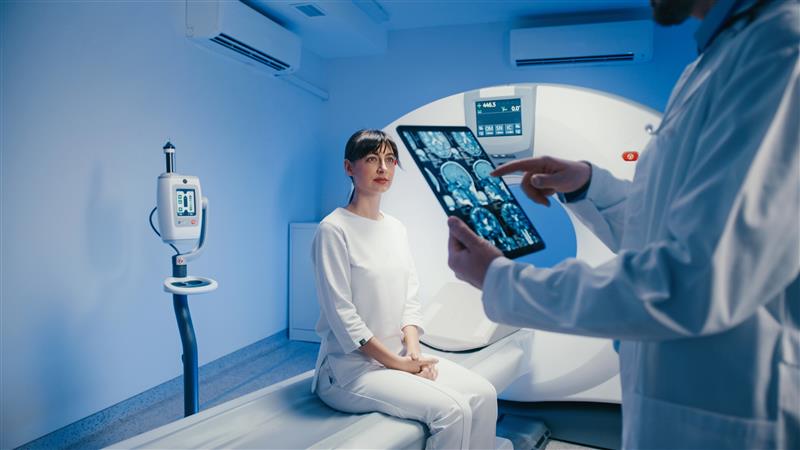
Radiology Tech and CT Tech
Radiology Tech and CT Tech Roles are in High-Demand

CT techs, or computed tomography technologists, specialize in operating CT scanners to produce cross-sectional images of the body. These detailed images are vital for diagnosing a wide range of conditions, including cancers, cardiovascular diseases, and neurological disorders. The specialized nature of CT imaging and the increasing reliance on this technology contribute to the high demand for skilled CT tech travelers. Their expertise is particularly sought after in facilities with temporary staffing gaps or those needing specialised CT procedures performed. 

For professionals in these fields, choosing to travel allied health as Radiology Tech or CT Tech can open doors to diverse experiences. Imagine spending a few months working in a bustling urban hospital, followed by an assignment in a serene rural clinic. Each new location offers unique patient populations, healthcare challenges, and opportunities for professional development and personal enrichment. 

Why Choose Allied Health Jobs with Clover Staffing? 

Choosing to travel as a Radiology Tech or CT Tech through Clover Staffing opens doors to diverse and rewarding experiences. Imagine working a few months in a bustling urban hospital and then a serene rural clinic — each assignment brings unique patient populations, healthcare challenges, and professional growth opportunities. 

Clover Staffing offers comprehensive support including: 

  • Personalized job matching tailored to your skills and preferences 
  • Assistance with licensing and credentialing across different states 
  • Housing and travel logistics to simplify your transition 
  • Reliable pay and competitive benefits packages 
  • Access to a wide variety of assignments in top healthcare facilities nationwide 

Explore travel allied health job openings with Clover Staffing and start your journey today. 

Charting Your Course: How to Become an Allied Health Traveler 

So, how do you become an allied health traveler? The journey involves several key steps: 

  1. Education and Certification: The first and most crucial step is to obtain the necessary education and professional certifications for your chosen allied health field. For aspiring Radiology techs, this typically involves completing an accredited associate or bachelor’s degree program in radiologic technology and passing the certification exam administered by the American Registry of Radiologic Technologists (ARRT). Similarly, to become a CT tech, you’ll generally need to be a registered radiologic technologist and then pursue additional training and certification in computed tomography. 
  2. Gain Experience: While some entry-level travel positions may exist, it’s generally recommended to gain a year or two of experience in a permanent setting before embarking on travel assignments. This allows you to hone your skills, build confidence, and become proficient in your speciality. Employers and healthcare staffing agencies often prefer candidates with a solid foundation of clinical experience. 
  3. Partner with a Healthcare Staffing Agency: Navigating the world of travel allied health jobs is significantly easier with the support of a reputable healthcare staffing agency. These agencies specialize in connecting allied health professionals with temporary assignments across the country. They handle tasks such as finding job openings, negotiating pay and benefits, arranging housing and travel logistics, and providing ongoing support throughout your assignment. Research different agencies, read reviews, and choose one that aligns with your career goals and preferences. 
  4. Create a Professional Profile: Once you’ve chosen an agency, you’ll work with a recruiter to create a comprehensive professional profile. This will highlight your education, certifications, clinical experience, skills, and preferred locations and assignment types. Be honest and thorough in your profile to help your recruiter find the best-suited travel allied health jobs for you. 
  5. Prepare for Assignments: Once you’ve been offered a travel assignment, there are several practicalities to consider. This includes understanding the contract terms, obtaining any necessary state licenses or permits, arranging for housing and transportation, and familiarising yourself with the healthcare facility’s policies and procedures. Your healthcare staffing agency will typically aid with many of these logistical aspects. 

The Rewards of the Journey 

Choosing a career in travel allied health jobs offers numerous benefits beyond the opportunity to see new places. These include: 

  • Competitive Compensation: Travel allied health professionals often earn higher hourly rates compared to their permanent counterparts, in part to compensate for the temporary nature of the assignments and the associated travel expenses. Many agencies also offer benefits packages that can include health insurance, retirement plans, and housing stipends. 
  • Professional Growth: Each new assignment exposes you to different healthcare environments, patient populations, and clinical practices. This can significantly broaden your skill set, enhance your adaptability, and make you a more well-rounded and marketable professional. For Radiology Tech or CT tech, working in various facilities can expose you to different imaging equipment and protocols, fostering continuous learning. 
  • Flexibility and Control: Travel assignments typically range from a few weeks to several months, giving you greater control over your work schedule and the ability to take breaks between assignments. You can often choose the locations and types of facilities you prefer, allowing you to tailor your career to your lifestyle. 
  • Personal Enrichment: Travelling for work provides unique opportunities for personal growth and cultural immersion. You’ll have the chance to explore new cities, experience different cultures, and build a diverse network of professional contacts and personal friendships. 

FAQs about Travel Allied Health Jobs with Clover Staffing 

  • How does Clover Staffing support my travel assignments? 
    We ensure smooth logistics, contracts, and on-call support throughout your assignment. 
  • Are there location-specific opportunities? 
    Yes, find jobs in New York, New Jersey, Pennsylvania, Massachusetts, and many more locations. 
  • What are the licensing requirements? 
    Requirements vary by state; we help coordinate your licensing and credentialing. 

Learn more with our Traveler Checklist and Resources

While the rewards of travel allied health jobs are significant, it’s important to acknowledge the potential challenges. These can include the temporary nature of assignments, the need to adapt quickly to new environments and teams, managing travel and housing logistics, and being away from your permanent support system. However, with careful planning, the support of a good healthcare staffing agency, and a flexible mindset, these challenges can be effectively navigated. 

Conclusion: Start Your Travel Allied Health Career Today 

The world of travel allied health offers excitement, growth, and great rewards. Whether you’re a seasoned Radiology Tech or a CT tech seeking new challenges, your next big opportunity awaits. 

Partner with Clover Staffing to discover high demand travel allied health jobs, exceptional support, and positive patient care experiences nationwide. 

Apply now or contact us to begin your journey! 

August 2025: A Month to Prioritize Health and Awareness

At Clover Health Services, we’re deeply committed to the well-being of our community, both the healthcare professionals we connect with and the patients they serve. As August 2025 unfolds, it brings with it several significant health awareness initiatives that deserve our attention and support.

From battling a formidable disease like lung cancer to ensuring the purity of our vital water resources, this month offers opportunities for education, advocacy, and collective action. Join us as we delve into these crucial topics and highlight how we can all contribute to a healthier future.

World Lung Cancer Day: Lighting the Way for Awareness and Hope (August 1st)

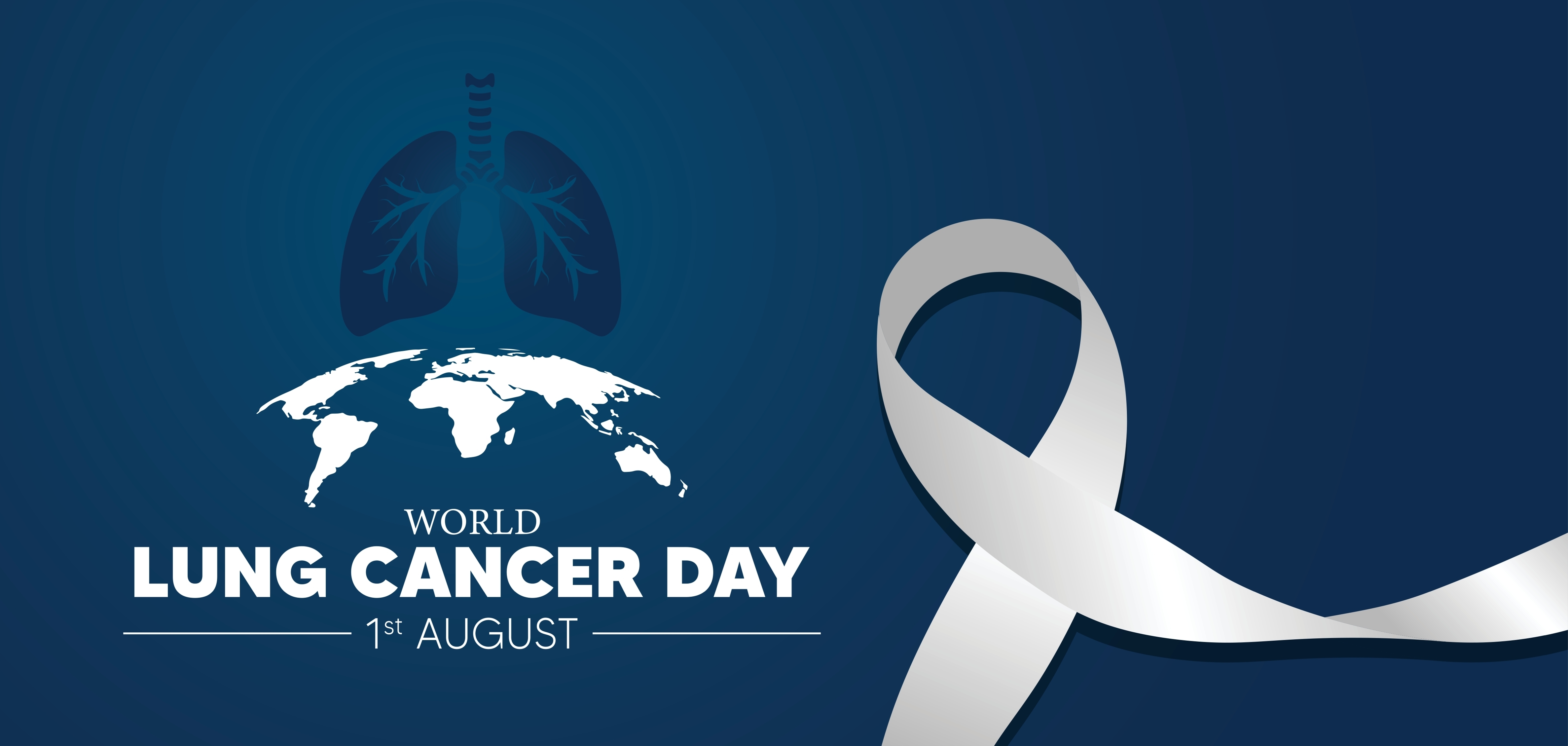
Word Lung Cancer Day
World Lung Cancer Day

Every year on August 1st, organizations across the globe unite to observe World Lung Cancer Day. This vital campaign serves as a powerful reminder of the devastating impact of lung cancer, a disease that sadly affects over 200,000 individuals in the United States alone.

It’s a day dedicated to raising awareness, advocating for quality healthcare and resources, supporting crucial research for effective treatments, promoting the importance of early detection, and sharing the inspiring stories of breakthroughs and the lived experiences of those diagnosed, as well as their devoted loved ones.

Lung cancer remains a leading cause of cancer-related deaths worldwide, often diagnosed at later stages when treatment options are more limited. This is why the core tenets of World Lung Cancer Day – advocacy, research support, early detection, and shared experiences – are so critical.

  • Advocating for Quality Healthcare and Resources: We must actively support policies and initiatives that ensure equitable access to comprehensive lung cancer care, including screening programs, advanced diagnostics, and cutting-edge treatments.
  • Supporting Research for Treatment: Continued investment in scientific research is paramount to developing innovative therapies, improving survival rates, and ultimately finding a cure for this complex disease. Every contribution, no matter the size, can fuel these vital efforts.
  • Promoting Early Detection: Educating the public about the risk factors, potential symptoms, and the benefits of early screening for high-risk individuals can significantly improve outcomes.
  • Sharing Stories of Breakthroughs and Experiences: The journeys of lung cancer patients and their families are filled with resilience, strength, and hope. Sharing these stories not only raises awareness but also provides invaluable support and a sense of community for others facing similar challenges.

Clover Health Services encourages everyone to participate in World Lung Cancer Day. Let’s stand together, amplify our voices, and support the fight against lung cancer.

SMA Awareness Month: Understanding and Supporting Spinal Muscular Atrophy

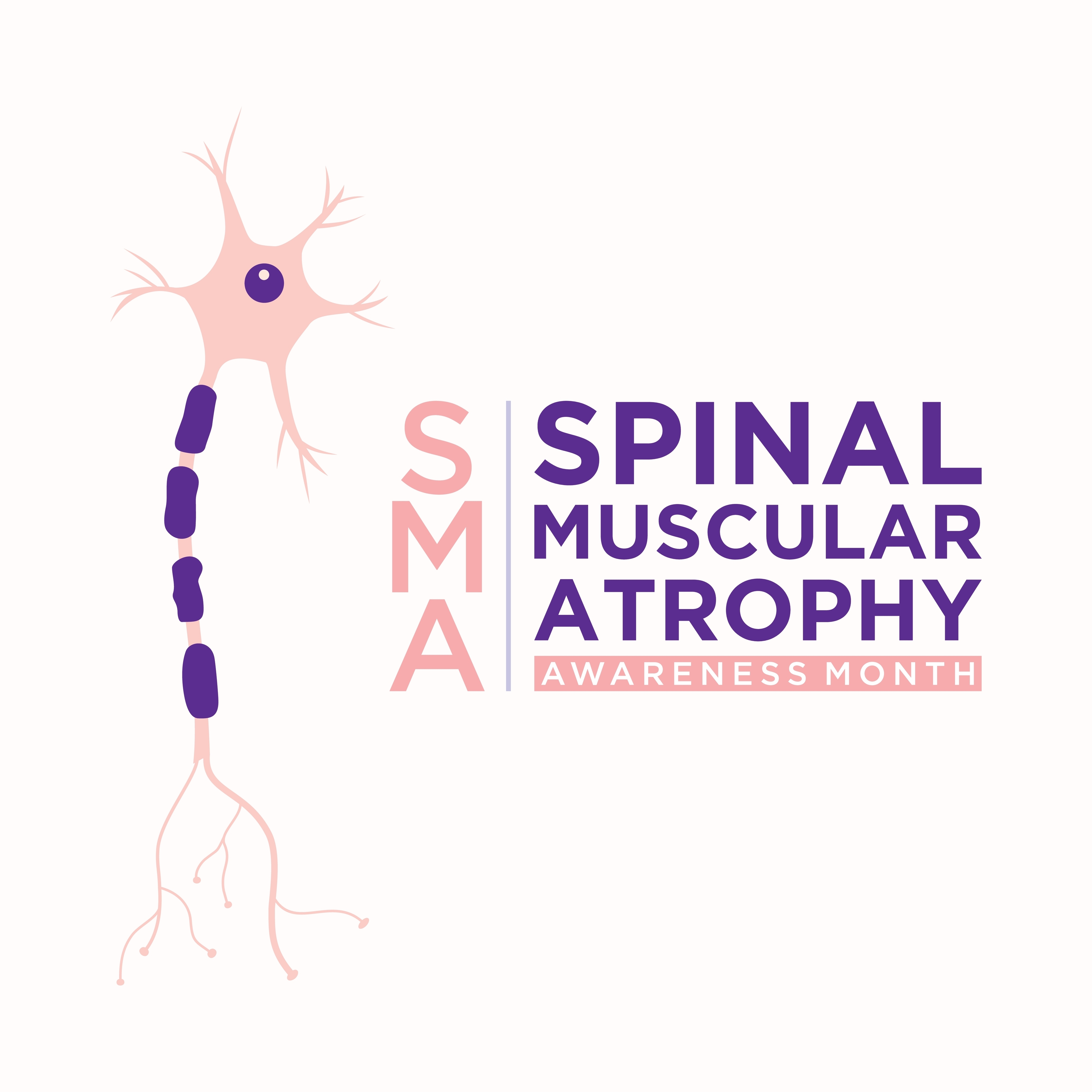
Spinal Muscular Atrophy Month in August

August also marks SMA Awareness Month, a time dedicated to increasing understanding and support for Spinal Muscular Atrophy (SMA). SMA is a genetic disease that leads to muscle weakness and atrophy (shrinking) due to the loss of motor neurons in the spinal cord. While currently there is no cure for SMA, significant advancements in treatment have been made, offering individuals with SMA the potential for a greatly improved quality of life.

Raising awareness about SMA is crucial for several reasons:

  • Early Diagnosis: Increased awareness among parents and healthcare professionals can lead to earlier diagnosis, allowing for timely intervention with available treatments, which can be most effective when starting early.
  • Support for Research and Development: Continued awareness helps to drive funding and support for ongoing research into new and more effective therapies, as well as potential future cures.
  • Building a Supportive Community: Awareness initiatives help connect individuals and families affected by SMA, fostering a strong sense of community and shared understanding.
  • Advocacy for Access to Care: Raising the profile of SMA helps advocate for policies that ensure access to necessary treatments, therapies, and support services for all individuals living with the condition.

National Water Quality Month: Protecting Our Most Precious Resource

National Water Quality Month

Clean water is the very essence of life, vital for all living organisms and the delicate balance of our ecosystems. National Water Quality Month, observed every August, serves as a critical reminder of the potential threats to our water sources and encourages active participation in protecting and improving this invaluable resource.

The importance of National Water Quality Month cannot be overstated:

  • Essential to Life: Clean water is fundamental for drinking, sanitation, agriculture, industry, and countless other aspects of our daily lives and the functioning of our society.
  • A Global Crisis: Millions around the world lack access to safe and clean drinking water, contributing to significant health issues and hindering development. Recognizing the interconnectedness of global water resources is crucial.
  • Long-Term Sustainability: Protecting our water resources today is an investment in the future, ensuring their availability and quality for generations to come. Sustainable practices are essential for responsible water management.

During National Water Quality Month, we are all called to reflect on our relationship with water and take action to protect it. This might involve participating in local clean-up initiatives, conserving water in your daily life, supporting organizations dedicated to water quality, or advocating for responsible water management policies.

Monthly Wellness Message: Understanding Digestive Tract Paralysis (DTP)

August is Digestive Tract Paralysis Awareness Month

As part of our ongoing commitment to your wellness, this August we want to shed light on Digestive Tract Paralysis (DTP) Awareness Month. DTP, also known as gastroparesis or other related motility disorders, is a condition that impairs the normal movement of food through the digestive tract. The symptoms can vary widely depending on the specific condition and their severity, but common signs include:

  • Nausea and vomiting
  • Feeling full quickly after eating only a small amount
  • Abdominal pain and bloating
  • Loss of appetite and unintentional weight loss
  • Constipation or difficulty passing stool
  • Heartburn and acid reflux
  • In severe cases, dehydration and malnutrition

The underlying causes of DTP can be diverse, ranging from complications of diabetes, post-surgical issues, certain medications, and neurological conditions. In some instances, the cause of DTP remains unknown (idiopathic).

Digestive Tract Paralysis Awareness Month provides a valuable opportunity to:

  • Increase Understanding: Many people are unaware of DTP and its impact on individuals’ lives. Raising awareness helps to educate the public and reduce stigma.
  • Support Research: Increased awareness can lead to greater support for research aimed at improving diagnosis, treatment options, and ultimately finding cures for these conditions.
  • Empower Patients: Providing information and resources empowers individuals living with DTP to better understand their condition, seek appropriate medical care, and connect with support networks.

Summer Sun Safety Month: Staying Safe Under the August Sun

Summer Sun Safety Month

As we continue to enjoy the warmth and longer days of summer, it’s crucial to remember the importance of Summer Sun Safety. August is a prime time to reinforce awareness around the potential dangers of excessive sun exposure and how to effectively protect we from sun-related health issues, including premature skin aging and skin cancer.

This summer has indeed brought intense heat waves and unusually bright sunlight, underscoring the need for diligent sun protection. Here are some helpful tips to keep in mind (as an AI overview reminds us):

  • Wear Sunscreen: Always apply a broad-spectrum sunscreen with an SPF of 30 or higher to all exposed skin, even on cloudy days. Reapply every two hours, or immediately after swimming or sweating.
  • Wear Sunglasses: Protect your eyes with sunglasses that offer 100% UVA and UVB protection.
  • Wear Protective Clothing: When possible, opt for long-sleeved shirts, wide-brimmed hats, and long pants to shield your skin from the sun’s harmful rays.
  • Seek Shade: Limit direct sun exposure, especially during peak hours, which are typically between 10 a.m. and 4 p.m. Utilize shade whenever possible.
  • Stay Hydrated: Drink plenty of water throughout the day, especially when spending time outdoors.

For more comprehensive health and safety tips, as well as interesting facts about Summer Sun Safety, we encourage you to visit [Insert Link Here – Replace with a link to a reputable sun safety resource]. By taking proactive steps to protect ourselves, we can enjoy the summer months safely and minimize the risks associated with sun exposure.

Clover Health Services: Your Partner in Health and Well-being

At Clover Health Services, our commitment extends beyond connecting talented healthcare professionals with rewarding opportunities. We are deeply invested in the overall health and well-being of our community. By raising awareness about these important health initiatives in August 2025, we hope to empower you with knowledge and encourage you to take meaningful action.

Whether it’s supporting research for lung cancer and SMA, advocating for clean water, understanding digestive health, or practicing sun safety, every effort contributes to a healthier and more informed society. Together, we can make a difference.

Stay safe, stay healthy, and thank you for being a part of the Clover Health Services community.

Best Travel Nursing Destinations in the USA

The allure of the open road and the thrill of new adventures are deeply ingrained in the American spirit. Travel nursing perfectly embodies this spirit, offering healthcare professionals the chance to explore the vast and diverse landscapes of the United States while contributing to vital patient care. From bustling metropolises to serene coastal towns, each state offers unique experiences for travel nurses.

This blog will delve into the best travel nursing destinations in the USA including Pennsylvania, Connecticut, New York among others.

1. Pennsylvania: A Blend of History and Adventure

Pennsylvania, with its rich history and diverse terrain, offers a captivating blend of urban and rural experiences.

Travel Nursing Opportunities:

  • Philadelphia: A vibrant city with renowned hospitals and a thriving healthcare scene.
  • Pittsburgh: Known for its steel industry heritage and the growing medical sector.
  • Lancaster County: Experience Amish culture while working in smaller hospitals or clinics.

Things to Explore:

  • Philadelphia: Independence Hall, the Philadelphia Museum of Art, historical sites, and vibrant food scenes make it one of the best travel nursing destinations.
  • Pittsburgh: Explore the city’s impressive museums, enjoy outdoor activities in the surrounding parks, and catch a Pittsburgh Pirates or Steelers game.
  • Lancaster County: Immerse yourself in Amish culture, visit Amish farms, and enjoy scenic drives through the countryside.

2. Connecticut: Coastal Charm and Quaint Towns

Connecticut, often referred to as “The Constitution State,” offers a charming blend of coastal beauty and historic towns.

Travel Nursing Opportunities:

  • Hartford: The state capital, with major hospitals and a growing healthcare industry.
  • New Haven: Home to Yale University and a renowned medical center making it one of the best travel nursing destinations in the USA.
  • Coastal Areas: Opportunities in smaller hospitals and clinics along the Connecticut coastlin

Things to Explore:

  • Mystic: A charming coastal town with a renowned aquarium and a picturesque harbor.
  • New Haven: Explore Yale University, visit the Peabody Museum of Natural History, and enjoy the city’s vibrant food scene.
  • Connecticut Coast: Enjoy the beaches, go hiking in state parks, and explore charming coastal towns.

3. New York: The Empire State of Opportunity

New York, the iconic “Empire State,” offers unparalleled career opportunities and a vibrant cultural scene.

  • Travel Nursing Opportunities:
    • New York City: A global hub for healthcare, with numerous hospitals and a wide range of specialties offering innumerable opportunities in one of the best travel nursing destinations in the USA.
    • Upstate New York: Explore diverse regions, from the Finger Lakes to the Adirondack Mountains, with opportunities in various settings.
  • Things to Explore:
    • New York City: Experience the iconic landmarks, Broadway shows, world-class museums, and diverse culinary experiences.
    • Upstate New York: Hike in the Adirondack Mountains, explore the Finger Lakes region, visit Niagara Falls, and enjoy the beauty of the natural landscape.

4. Texas: Lone Star State of Adventure

Texas, the “Lone Star State,” offers a unique blend of Southern hospitality, vibrant culture, and diverse landscapes.

  • Travel Nursing Opportunities:
    • Houston: A major medical center with numerous hospitals and research institutions.
    • Dallas-Fort Worth: A rapidly growing metropolitan area with a strong healthcare presence and great opportunities with healthcare professionals.
    • Austin: The state capital, known for its live music scene and a growing healthcare industry.
  • Things to Explore:
    • San Antonio: Explore the Alamo, visit the River Walk, and enjoy the city’s vibrant culture.
    • Big Bend National Park: Experience the stunning desert landscapes, go hiking, and stargaze in this remote and breathtaking park.
    • Austin: Enjoy the live music scene, visit the Texas State Capitol, and explore the city’s vibrant food scene.

5. Massachusetts: History, Culture, and Coastal Charm

Massachusetts, a state steeped in history and culture, offers a blend of urban excitement and coastal charm.

  • Travel Nursing Opportunities:
    • Boston: A major medical center with world-renowned hospitals and research institutions that make it into one of the best travel nursing destinations in the USA.
    • Worcester: A growing city with a strong healthcare presence and a vibrant cultural scene.
    • Cape Cod: Explore the beautiful Cape Cod peninsula, with opportunities in smaller hospitals and clinics.
  • Things to Explore:
    • Boston: Explore historical sites like the Freedom Trail, visit the Museum of Fine Arts, and enjoy the city’s vibrant food scene.
    • Cape Cod: Relax on the beaches, go whale watching, explore charming towns like Provincetown and Nantucket, and enjoy the coastal scenery.
    • Berkshire Mountains: Enjoy hiking, camping, and outdoor activities in the scenic Berkshire Mountains.

6. New Jersey: The Garden State

New Jersey, often referred to as “The Garden State,” offers a diverse landscape, from bustling cities to serene shorelines.

  • Travel Nursing Opportunities:
    • Newark: A major city with a growing healthcare sector for countless opportunities for healthcare professionals and proximity to New York City.
    • Princeton: Home to Princeton University and a renowned medical center.
    • Jersey Shore: Explore the beautiful Jersey Shore, with opportunities in smaller hospitals and clinics.
  • Things to Explore:
    • Atlantic City: Enjoy the boardwalk, casinos, and beaches in this popular seaside resort.
    • Princeton: Visit Princeton University, explore the town’s charming historic district, and enjoy the vibrant arts scene.
    • Jersey Shore: Relax on the beaches, go surfing, explore charming coastal towns, and enjoy the vibrant boardwalk culture.

Tips for Choosing Your Travel Nursing Destination

  • Consider your preferences: Do you prefer bustling cities, small towns, or coastal areas? What kind of climate do you enjoy?
  • Research healthcare opportunities: Look for hospitals and clinics that align with your specialty and experience level.
  • Explore the cost of living: Consider the cost of housing, transportation, and other living expenses in each location.
  • Research the local culture and attractions: What activities and experiences interest you?
  • Connect with other travel nurses: Reach out to other travel nurses who have worked in your potential destinations for insights and advice.

Clover Health Services offers a compelling opportunity for travel nurses seeking high-paying positions. Our network of hospitals and healthcare facilities across the country provides diverse assignments in various specialties across best travel nursing destinations in USA. Clover Health emphasizes competitive compensation packages, including premium pay rates, travel stipends, and comprehensive benefits thus taking good care of healthcare professionals who provide care to everyone else.