Demystifying Travel Nursing Requirements: What You Need to Know Before You Go

The allure of travel nursing is undeniable: exciting new cities, diverse clinical experiences, and often, a significantly higher earning potential. For many Registered Nurses (RNs), it represents a refreshing change from the routine of a permanent staff position, offering a unique blend of adventure and professional growth.

However, before you pack your bags and hit the open road, it’s crucial to understand the intricate web of travel nursing requirements. This comprehensive guide aims to demystify the process, outlining everything you need to know to successfully launch your career in this dynamic field.

The Foundation: Becoming a Registered Nurse

The absolute cornerstone of any travel nurse job is, of course, being a licensed Registered Nurse. This isn’t a unique requirement to travel nursing but is the fundamental prerequisite for any nursing role in the United States. To achieve RN status, you must:

  1. Obtain an Associate Degree in Nursing (ADN) or a Bachelor of Science in Nursing (BSN): While both degrees qualify you to sit for the NCLEX-RN, a BSN is increasingly preferred, and sometimes required, by many healthcare facilities, especially those seeking Magnet recognition. A BSN often provides a broader theoretical foundation and may open more doors in the long run.
  2. Pass the NCLEX-RN Examination: This standardized exam assesses the competency of nursing school graduates. It’s a critical step, and successful completion is mandatory for licensure.
  3. Obtain a State Nursing License: Once you’ve passed the NCLEX-RN, you’ll apply for licensure in your desired state. This initial license will be your “home state” license.

Gaining the Essential Experience: Beyond the Classroom

While fresh graduates are eagerly sought after for many nursing jobs, travel nursing isn’t typically an entry-level position. Most travel nurse agencies and healthcare facilities require a substantial amount of practical experience to ensure you can seamlessly integrate into new environments and handle diverse patient populations with minimal orientation.

  • Clinical Experience: The golden rule for aspiring travel nurses is to acquire at least one to two years of recent, acute-care clinical experience in a specialized area. While general medical-surgical experience is valuable, specialties like Intensive Care Unit (ICU), Emergency Room (ER), Operating Room (OR), Labor & Delivery (L&D), and Post-Anesthesia Care Unit (PACU) are particularly in high demand. Some niche specialties might require even more experience. This experience demonstrates your competence, adaptability, and ability to handle high-pressure situations.
  • Specialty-Specific Skills: Beyond general nursing skills, ensure you are proficient in the specific procedures, equipment, and patient populations relevant to your chosen specialty. For instance, an ICU travel nurse will need to be highly skilled in ventilator management, hemodynamic monitoring, and critical drip titrations.

Licensing for the Road: The Nurse Licensure Compact (NLC) and Beyond

One of the most frequent questions for aspiring travel nurses revolves around multi-state licensure. Navigating different state boards of nursing can seem daunting, but the Nurse Licensure Compact (NLC) has significantly streamlined the process.

  • The Nurse Licensure Compact (NLC): If your home state (the state where you declare primary residency) is a member of the NLC, you can obtain a multi-state license. This license allows you to practice in any other NLC compact state without needing to apply for a new license in each state. This is incredibly advantageous for travel nurses, offering immense flexibility.
  • Single-State Licenses: If your home state is not part of the NLC, or if you wish to take an assignment in a non-compact state, you will need to apply for a single-state license by endorsement in that specific state. This typically involves applying, paying fees, providing proof of your existing license, and sometimes completing a background check. Your travel nurse agency will often assist you with this process, but it’s essential to understand that it can take several weeks or even months for a new license to be issued. Plan!

Essential Certifications: Demonstrating Competence

Beyond your basic RN license, certain certifications are non-negotiable for most travel nurse jobs. These demonstrate your preparedness for critical situations and are a standard expectation in modern healthcare.

  • Basic Life Support (BLS): This is universally required for virtually all healthcare professionals. It covers fundamental life-saving skills like CPR and relief of choking.
  • Advanced Cardiovascular Life Support (ACLS): Often required for nurses working in acute care settings, especially in ER, ICU, telemetry, and critical care units. ACLS training focuses on advanced cardiac life support interventions.
  • Pediatric Advanced Life Support (PALS): Necessary for nurses working with pediatric populations, such as in pediatric ER, PICU, or pediatric med-surg.
  • Neonatal Resuscitation Program (NRP): Essential for nurses in Labor & Delivery, Postpartum, and Neonatal Intensive Care Units (NICU).
  • Specialty-Specific Certifications: Depending on your specialty, additional certifications might be required or highly recommended, such as Trauma Nursing Core Course (TNCC) for ER nurses or Certified Critical Care Registered Nurse (CCRN) for ICU nurses. These demonstrate advanced expertise and can make you a more competitive candidate.

Health and Compliance Requirements: Ensuring You’re Ready to Work

Healthcare is a highly regulated industry, and healthcare staffing agencies and hospitals have stringent requirements to ensure patient and staff safety. Before you can begin an assignment, you’ll need to fulfill various health and compliance mandates:

  • Immunizations: Proof of up-to-date immunizations is critical, including but not limited to MMR (Measles, Mumps, Rubella), Varicella (Chickenpox), Tdap (Tetanus, Diphtheria, Pertussis), and an annual Flu vaccine. COVID-19 vaccination is also commonly required.
  • TB Testing: You’ll need recent proof of a negative Tuberculosis (TB) test, often a PPD skin test or a blood test like Quantiferon-TB Gold.
  • Physical Exam: A recent physical exam demonstrating your fitness for duty is typically required.
  • Drug Screening: All travel nurse agencies will require a pre-employment drug screen.
  • Background Checks: Comprehensive federal and state background checks are standard to ensure you meet all legal and ethical requirements for patient care.
  • Skills Checklists and Competency Exams: Your agency will likely have you complete skills checklists relevant to your specialty and may administer competency exams to verify your knowledge and abilities.
  • References: You’ll typically need to provide professional references from past supervisors or colleagues.

Partnering with a Travel Nurse Agency: Your Guide on the Journey

While it’s possible to find direct contracts, the vast majority of travel nurses work through a travel nursing agency. These agencies act as your employer, connecting you with travel nurse jobs at various facilities, managing your contracts, payroll, benefits, and often assisting with licensing and housing.

When choosing an agency, consider:

  • Reputation and Reviews: Look for agencies with a strong track record and positive feedback from other travel nurses.
  • Recruiter Relationship: A good relationship with your recruiter is paramount. They are your primary point of contact and advocate.
  • Job Availability: Does the agency have a wide range of assignments in your desired specialties and locations?
  • Compensation and Benefits: Understand their pay structure, stipends, health insurance, and retirement options.
  • Support Services: Do they help with housing, travel, licensing, and 24/7 support?

Soft Skills: The Unsung Heroes of Travel Nursing

Beyond the concrete requirements, certain soft skills are critical for success as a travel nurse:

  • Adaptability: You will be constantly adjusting to new facilities, charting systems, policies, and teams. The ability to quickly integrate and learn is essential.
  • Strong Communication Skills: Clear and concise communication with new colleagues, physicians, and patients is vital for effective patient care and team cohesion.
  • Problem-Solving: You’ll encounter unfamiliar situations; resourcefulness and the ability to think on your feet are invaluable.
  • Independence and Self-Reliance: While agencies offer support, travel nursing requires a degree of self-sufficiency. You are often far from your usual support system.
  • Resilience: The highs and lows of travel nursing can be intense. Maintaining a positive attitude and bouncing back from challenges are key.

Before You Go: A Final Checklist

  1. Ensure you are a fully licensed Registered Nurse (RN) with either an ADN or BSN.
  2. Accumulate at least 1-2 years of recent, acute-care clinical experience in your specialty.
  3. Possess the necessary certifications (BLS, ACLS, PALS, NRP, etc.) for your chosen specialty.
  4. Confirm your licensing status (NLC multi-state or single-state for your target assignment).
  5. Gather all health documents, immunization records, and be prepared for drug screens and background checks.
  6. Research and partner with a reputable travel nurse agency and establish a good rapport with your recruiter.
  7. Cultivate your adaptability, communication, and problem-solving skills.

Embarking on a career in travel nursing can be one of the most rewarding decisions you make as a Registered Nurse. It offers unparalleled opportunities for professional development, personal growth, and the chance to see the country while making a tangible difference in people’s lives. By thoroughly understanding and preparing for these essential travel nursing requirements, you’ll be well-equipped to navigate the journey and truly thrive in this exciting and dynamic field. The open road, and a world of diverse nursing jobs, awaits!

FAQs

1) How to become a travel nurse in the USA ?

To become a travel nurse in the USA, you must first become a Registered Nurse (RN) by earning either an Associate Degree in Nursing (ADN) or a Bachelor of Science in Nursing (BSN) and passing the NCLEX-RN exam. Most travel nurse staffing agencies require you to have at least one to two years of clinical experience as an RN.

After gaining the necessary experience, you will need to apply for a nursing license in the state where you plan to work, or a multi-state license through the Nurse Licensure Compact (NLC) if your home state is a member. Finally, you can work with a travel nurse staffing agency to find and apply for temporary assignments at hospitals and other healthcare facilities across the country.

2) What are the basic travel nurse requirements?

The basic requirements for a travel nurse include being a Registered Nurse (RN) with either an ADN or BSN degree, passing the NCLEX-RN exam, and holding a valid nursing license. In addition, most agencies require at least one to two years of experience as an RN, with a preference for specific specialties like ICU or ER.

Other typical requirements include certain certifications such as Basic Life Support (BLS) and Advanced Cardiovascular Life Support (ACLS), and the ability to adapt quickly to new environments and work with different teams.

3) What is a travel nurse’s salary in the USA?

Travel nurse salaries in the USA can vary significantly based on location, specialty, and the urgency of the assignment. According to data from various sources, the average annual salary for a travel nurse is around $101,132. However, this can fluctuate widely, with some top earners making over $130,000 annually.

Travel nurses often receive a “blended rate” that includes a taxable hourly wage plus tax-free stipends for housing, meals, and other expenses, which can significantly increase their take-home pay compared to a staff nurse. States and cities with a high cost of living or a critical nursing shortage often offer higher salaries and stipends.
Beyond Nursing: Exploring High-Demand Travel Allied Health Careers 

The healthcare landscape is dynamic, constantly evolving to meet the needs of a diverse and ageing population. While travel nursing has garnered significant attention for its flexibility and rewarding opportunities, a parallel universe of exciting and high-demand careers exists within travel allied health jobs.  

These roles offer healthcare professionals the chance to leverage their specialized skills while experiencing new locations, cultures, and healthcare settings across the country. If you’re seeking adventure, professional growth, and competitive compensation, venturing beyond traditional nursing into the realm of travel allied health jobs might be your perfect next career move. 

The Expanding Universe of Travel Allied Health 

Allied health professionals encompass a broad spectrum of healthcare practitioners who support, diagnose, and treat patients across various medical specialities. Unlike nurses and physicians, they often focus on specific therapeutic areas or diagnostic procedures. 

The demand for these skilled individuals is consistently high, and the travel sector within allied health is experiencing significant growth, fuelled by factors such as staffing shortages in certain regions, the need for specialized expertise in temporary situations, and the increasing desire among healthcare professionals for flexible career options. 

 List of available travel allied health includes:

  • Physical therapists 
  • Occupational therapists 
  • Speech-language pathologists 
  • Respiratory therapists 
  • Medical technologists 
  • Imaging specialists such as Radiology Techs and CT Techs 

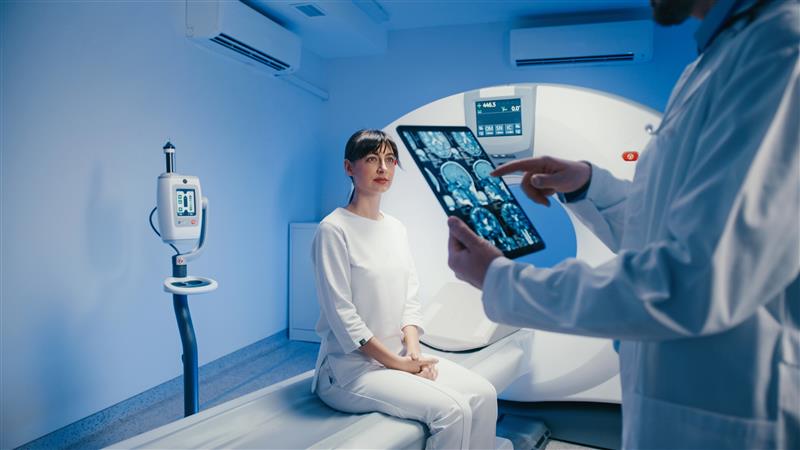
Within the imaging field, professionals specializing in Radiology Tech or CT tech are particularly in high demand for travel assignments. These roles are crucial for providing the diagnostic information physicians need to make informed treatment decisions. 

Shining a Spotlight: Radiology Tech and CT Tech Travel Roles 

Radiology techs, also known as radiologic technologists, are essential members of the healthcare team who perform diagnostic imaging examinations such as X-rays. They are skilled in positioning patients, operating imaging equipment, and ensuring image quality while adhering to strict radiation safety protocols.  The demand for Radiology tech travellers is strong due to their fundamental role across healthcare settings, including hospitals, clinics, and urgent care centers. 

Radiology Tech and CT Tech
Radiology Tech and CT Tech Roles are in High-Demand

CT techs, or computed tomography technologists, specialize in operating CT scanners to produce cross-sectional images of the body. These detailed images are vital for diagnosing a wide range of conditions, including cancers, cardiovascular diseases, and neurological disorders. The specialized nature of CT imaging and the increasing reliance on this technology contribute to the high demand for skilled CT tech travelers. Their expertise is particularly sought after in facilities with temporary staffing gaps or those needing specialised CT procedures performed. 

For professionals in these fields, choosing to travel allied health as Radiology Tech or CT Tech can open doors to diverse experiences. Imagine spending a few months working in a bustling urban hospital, followed by an assignment in a serene rural clinic. Each new location offers unique patient populations, healthcare challenges, and opportunities for professional development and personal enrichment. 

Why Choose Allied Health Jobs with Clover Staffing? 

Choosing to travel as a Radiology Tech or CT Tech through Clover Staffing opens doors to diverse and rewarding experiences. Imagine working a few months in a bustling urban hospital and then a serene rural clinic — each assignment brings unique patient populations, healthcare challenges, and professional growth opportunities. 

Clover Staffing offers comprehensive support including: 

  • Personalized job matching tailored to your skills and preferences 
  • Assistance with licensing and credentialing across different states 
  • Housing and travel logistics to simplify your transition 
  • Reliable pay and competitive benefits packages 
  • Access to a wide variety of assignments in top healthcare facilities nationwide 

Explore travel allied health job openings with Clover Staffing and start your journey today. 

Charting Your Course: How to Become an Allied Health Traveler 

So, how do you become an allied health traveler? The journey involves several key steps: 

  1. Education and Certification: The first and most crucial step is to obtain the necessary education and professional certifications for your chosen allied health field. For aspiring Radiology techs, this typically involves completing an accredited associate or bachelor’s degree program in radiologic technology and passing the certification exam administered by the American Registry of Radiologic Technologists (ARRT). Similarly, to become a CT tech, you’ll generally need to be a registered radiologic technologist and then pursue additional training and certification in computed tomography. 
  2. Gain Experience: While some entry-level travel positions may exist, it’s generally recommended to gain a year or two of experience in a permanent setting before embarking on travel assignments. This allows you to hone your skills, build confidence, and become proficient in your speciality. Employers and healthcare staffing agencies often prefer candidates with a solid foundation of clinical experience. 
  3. Partner with a Healthcare Staffing Agency: Navigating the world of travel allied health jobs is significantly easier with the support of a reputable healthcare staffing agency. These agencies specialize in connecting allied health professionals with temporary assignments across the country. They handle tasks such as finding job openings, negotiating pay and benefits, arranging housing and travel logistics, and providing ongoing support throughout your assignment. Research different agencies, read reviews, and choose one that aligns with your career goals and preferences. 
  4. Create a Professional Profile: Once you’ve chosen an agency, you’ll work with a recruiter to create a comprehensive professional profile. This will highlight your education, certifications, clinical experience, skills, and preferred locations and assignment types. Be honest and thorough in your profile to help your recruiter find the best-suited travel allied health jobs for you. 
  5. Prepare for Assignments: Once you’ve been offered a travel assignment, there are several practicalities to consider. This includes understanding the contract terms, obtaining any necessary state licenses or permits, arranging for housing and transportation, and familiarising yourself with the healthcare facility’s policies and procedures. Your healthcare staffing agency will typically aid with many of these logistical aspects. 

The Rewards of the Journey 

Choosing a career in travel allied health jobs offers numerous benefits beyond the opportunity to see new places. These include: 

  • Competitive Compensation: Travel allied health professionals often earn higher hourly rates compared to their permanent counterparts, in part to compensate for the temporary nature of the assignments and the associated travel expenses. Many agencies also offer benefits packages that can include health insurance, retirement plans, and housing stipends. 
  • Professional Growth: Each new assignment exposes you to different healthcare environments, patient populations, and clinical practices. This can significantly broaden your skill set, enhance your adaptability, and make you a more well-rounded and marketable professional. For Radiology Tech or CT tech, working in various facilities can expose you to different imaging equipment and protocols, fostering continuous learning. 
  • Flexibility and Control: Travel assignments typically range from a few weeks to several months, giving you greater control over your work schedule and the ability to take breaks between assignments. You can often choose the locations and types of facilities you prefer, allowing you to tailor your career to your lifestyle. 
  • Personal Enrichment: Travelling for work provides unique opportunities for personal growth and cultural immersion. You’ll have the chance to explore new cities, experience different cultures, and build a diverse network of professional contacts and personal friendships. 

FAQs about Travel Allied Health Jobs with Clover Staffing 

  • How does Clover Staffing support my travel assignments? 
    We ensure smooth logistics, contracts, and on-call support throughout your assignment. 
  • Are there location-specific opportunities? 
    Yes, find jobs in New York, New Jersey, Pennsylvania, Massachusetts, and many more locations. 
  • What are the licensing requirements? 
    Requirements vary by state; we help coordinate your licensing and credentialing. 

Learn more with our Traveler Checklist and Resources

While the rewards of travel allied health jobs are significant, it’s important to acknowledge the potential challenges. These can include the temporary nature of assignments, the need to adapt quickly to new environments and teams, managing travel and housing logistics, and being away from your permanent support system. However, with careful planning, the support of a good healthcare staffing agency, and a flexible mindset, these challenges can be effectively navigated. 

Conclusion: Start Your Travel Allied Health Career Today 

The world of travel allied health offers excitement, growth, and great rewards. Whether you’re a seasoned Radiology Tech or a CT tech seeking new challenges, your next big opportunity awaits. 

Partner with Clover Staffing to discover high demand travel allied health jobs, exceptional support, and positive patient care experiences nationwide. 

Apply now or contact us to begin your journey! 

Clover Health Services Celebrates Hartford HealthCares AHA Quest for Quality Prize

To the esteemed leadership and entire team at Hartford HealthCare, on behalf of everyone at Clover Health Services, we extend our sincerest congratulations on being named the 2025 recipient of the American Hospital Association (AHA) Quest for Quality Prize!

This prestigious award is a testament to your unwavering commitment to excellence and innovation in healthcare, and it truly exemplifies why Hartford HealthCare is one of our most valued and trusted clients.

A Culture of Relentless Improvement at Hartford Healthcare

Your mantra, “the best at getting better,” resonates deeply with us and is clearly woven into the fabric of your entire health system. We’ve long admired Hartford HealthCare’s dedication to teamwork, high-reliability training, and a deeply ingrained quality methodology. The strong leadership involvement in quality, spearheaded by impactful programs and a steadfast focus on safety, accountability, and patient-centered care, sets a remarkable standard for the industry.

The journey from 2017, when your seven hospitals set the ambitious goal of achieving an “A” rating in safety from the Leapfrog Group to all of them earning that coveted grade within five years, is nothing short of inspiring. Jeffrey Flaks, your President and CEO has created a culture of continuous improvement that has yielded truly extraordinary results, including a remarkable 70% reduction in hospital-acquired infections between 2015 and 2023, and an exceptional Serious Safety Event Rate of 0.21 per 10,000 adjusted patient days at the end of fiscal 2023.

“You Are Never Alone”: A Pillar of Support

The powerful message, “You Are Never Alone,” prominently displayed at Hartford Hospital, beautifully encapsulates the spirit of teamwork and support that defines Hartford HealthCare. This sentiment, extending to staff, the community, and most importantly, patients and their families, speaks volumes about your patient-centric philosophy. It truly reinforces that when someone enters your care, they are supported every step of the way.

Your dedication to improving the quality of care is further exemplified by the Center for Education, Simulation and Innovation (CESI). As one of the largest and best-equipped medical simulation centers in the country, CESI serves as a vital hub for training and innovation.

The Clinical Care Redesign (CCR) program is another testament to your innovative spirit, seamlessly integrating quality and cost data to optimize care, eliminate unnecessary procedures, and standardizing protocols. Achieving consensus among clinical teams and involving nurses and physicians in contract negotiations are brilliant strategies that have led to significant savings.

Furthermore, your foresight in leveraging technology, such as the AI-enabled HHC 24/7app, underscores your understanding that access is a crucial component of quality healthcare. Providing patients with immediate connection to clinicians for primary care encounters is a truly groundbreaking innovation that significantly enhances patient care.

A Legacy of Distinction

Hartford HealthCare’s consistent recognition for quality and safety is well deserved and speaks volumes about your relentless pursuit of excellence. Your achievements, including:

  • Perfect “A” grades for safety from the Leapfrog Group for all seven hospitals, making you one of only three health systems in the U.S. to achieve this.
  • Perfect ratings in all cardiothoracic categories from the Society for Thoracic Surgery (STS), with Hartford Hospital ranking number one in the nation for mitral-valve surgery.
  • The best one-year kidney graft survival rate in the nation is for Hartford HealthCare’s Transplant Program.
  • Being the only health system in New England to meet Centers for Medicaid and Medicare standards for significantly reducing hospital-acquired infections.
  • Earning the highest average Medicare Star Rating (4 stars) of any health system in Connecticut.
  • Receiving 56 total awards and 5-star ratings from Healthgrades.
  • Being named to Fortune’s list of America’s Most Innovative Companies.
  • Receiving Modern Healthcare’s Innovators Award for groundbreaking efforts in AI.

These accolades are a powerful affirmation of your dedication and the exceptional quality of care you provide.

Clover Health Services is incredibly proud to partner with an organization as forward-thinking and dedicated to patient well-being like Hartford HealthCare. Your commitment to quality, safety, and innovation inspires us daily, and we look forward to continuing our collaboration in advancing healthcare. Congratulations once again on this remarkable achievement!

Disclaimer-

All third-party recognitions mentioned are publicly reported metrics as of July,2025, and are cited in acknowledgment of Hartford HealthCare’s achievements. Clover Health Services does not claim affiliation with the awarding organizations