
November is packed with opportunities to focus on our health, raise awareness for vital causes, and support the incredible people who care for others. This month let’s dive into key health observances and discover how you can get involved.
American Diabetes Month: Prevent, Detect & Manage
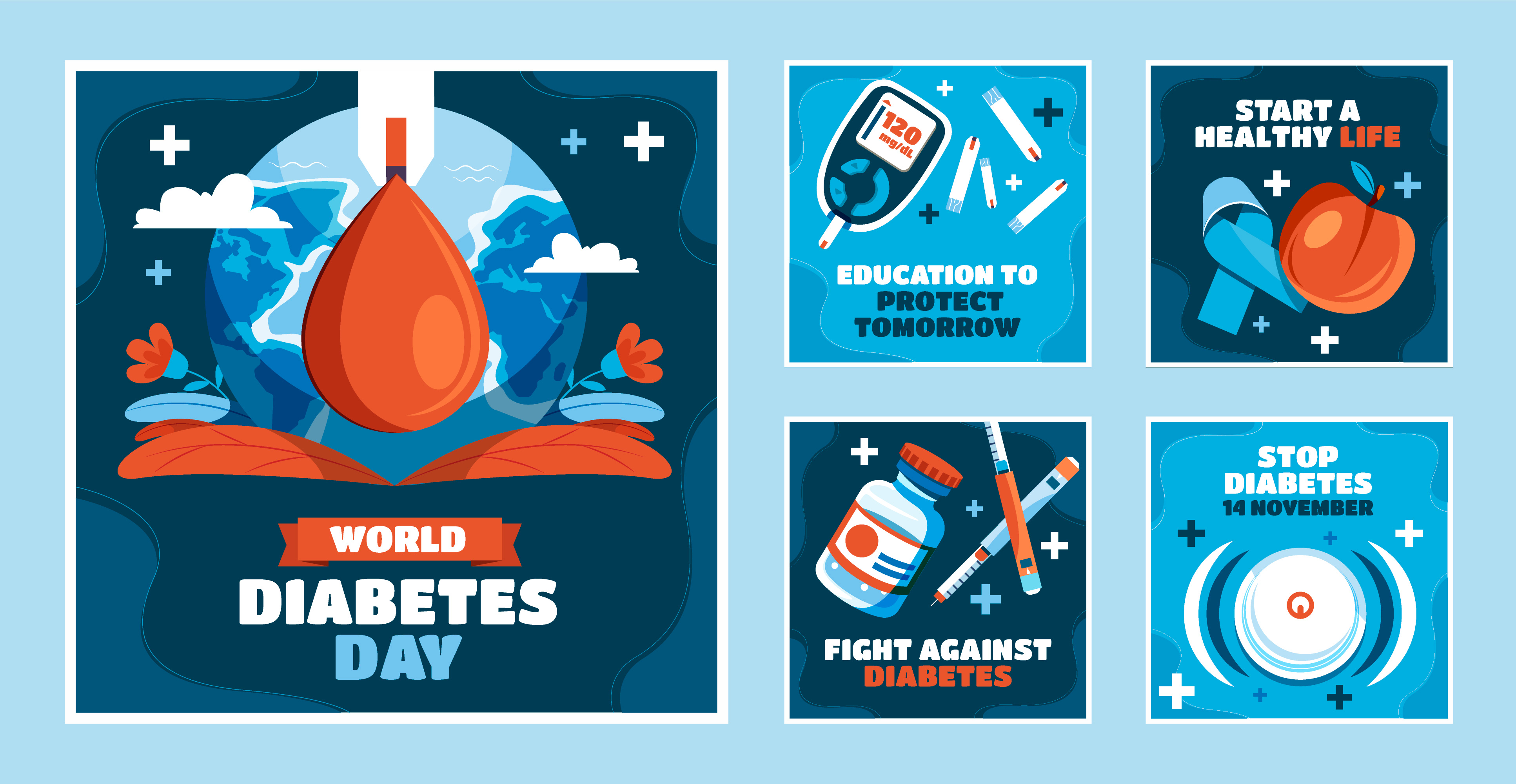
This year’s theme is “Take Action to Prevent Diabetes,” underscoring the critical need for early detection and lifestyle changes. The statistics are staggering:
- An estimated 37.3 million (11.3%) adults in the U.S. are diagnosed with diabetes.
- Approximately 93 million (38%) U.S. adults are prediabetic.
Who is Most Affected?
- Adults aged 65 and older are the age group most affected.
- Certain demographics face disproportionately high rates, including American Indian/Alaska Natives, followed by Black/African Americans, and then Hispanic/Latina Americans.
Your Call to Action:
Prevention starts with you! Simple lifestyle changes can make a huge difference. This includes:
- Weight loss
- Changes in eating habits
- Getting tested
You can find resources and learn more at https://diabetes.org/adm.
Movember: Grow a Mo, Save a Bro

What is Movember? It’s an annual global event founded by Adam Garone, Travis Garone, Luke Slattery, and Justin Coghlan to raise awareness and funds for men’s health issues, including:
- Prostate cancer
- Testicular cancer
- Mental health and suicide prevention
How to Become a “Mo Bro”:
During November, men are encouraged to grow a mustache to spark conversations and raise funds. If you want to join the movement:
- Start with a clean shave.
- Grow and groom a mustache only.
- No beards, goatees, or fake mustaches are allowed.
- Raise funds and awareness—donations support research, innovative treatments, and community programs.
- Act like a gentleman!
Learn more about this impactful movement in the US Movember 2025.
COPD Awareness Month: Short of Breath, Think COPD
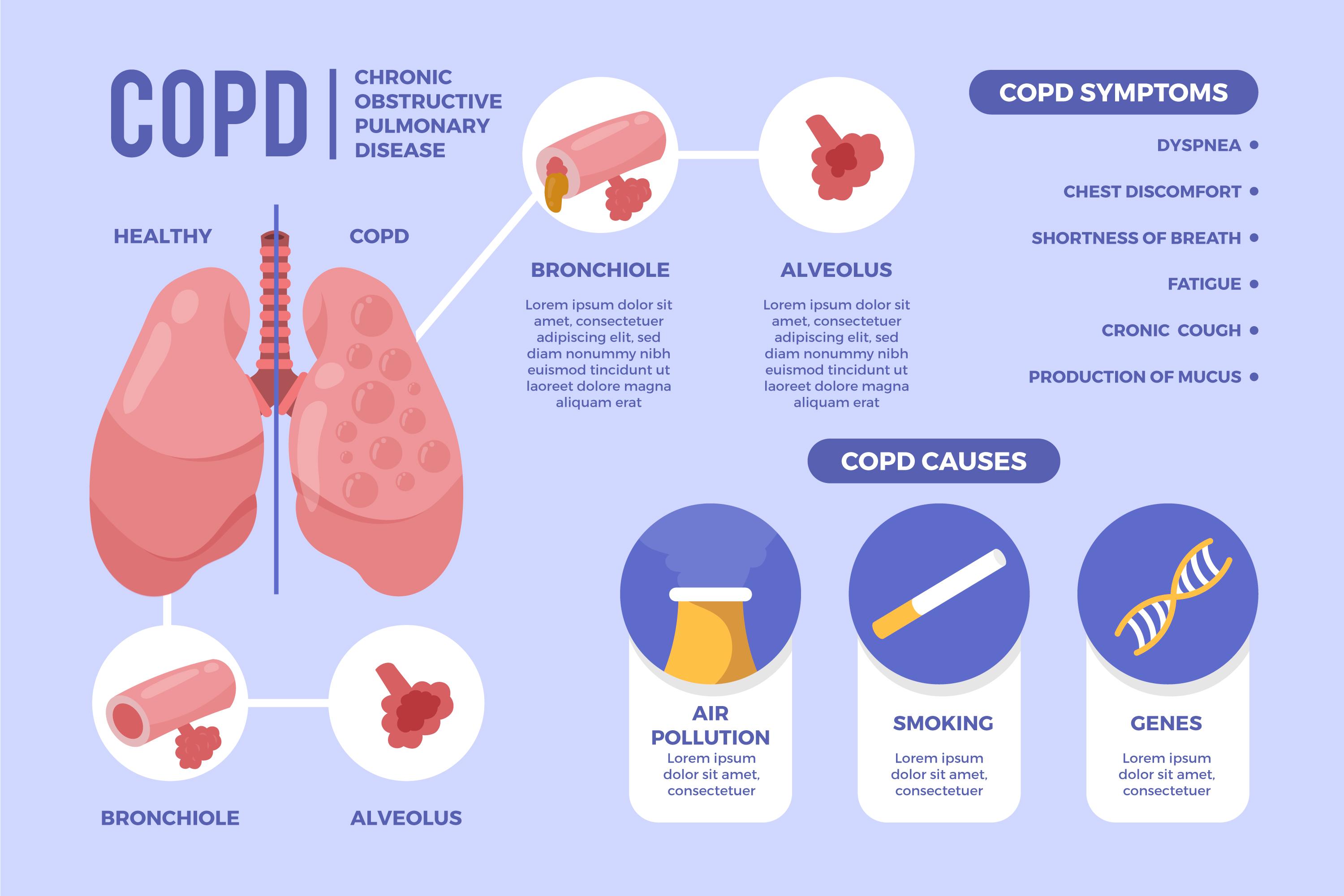
Chronic Obstructive Pulmonary Disease (COPD) is a common, preventable, and treatable condition that is often underdiagnosed. This year’s theme encourages people to recognize a key symptom: “Short of Breath, Think COPD.”
Recognizing symptoms and seeking diagnosis is key to management. Resources for education and support are available through the COPD Foundation.
National Family Caregivers Month: Plug-in to Care

This month celebrates and supports the countless family members and friends who provide care for loved ones with health needs. The theme “Plug-in to Care” helps raise awareness about the daily challenges caregivers face and connects them to essential resources.
Support caregivers and learn more at Caregiver Action Network.
Great American Smokeout Day (November 20th)

Led by the American Cancer Society, this annual event focuses on intervention with smoking and raising awareness of the many diseases caused by tobacco use. It encourages individuals to commit to a smoke-free life and provides guidance along the way.
If you or a loved one is struggling with this addiction, resources are available to support the journey.
Visit The Great American Smokeout for more information.
GERD Awareness Week (November 23rd to 29th)
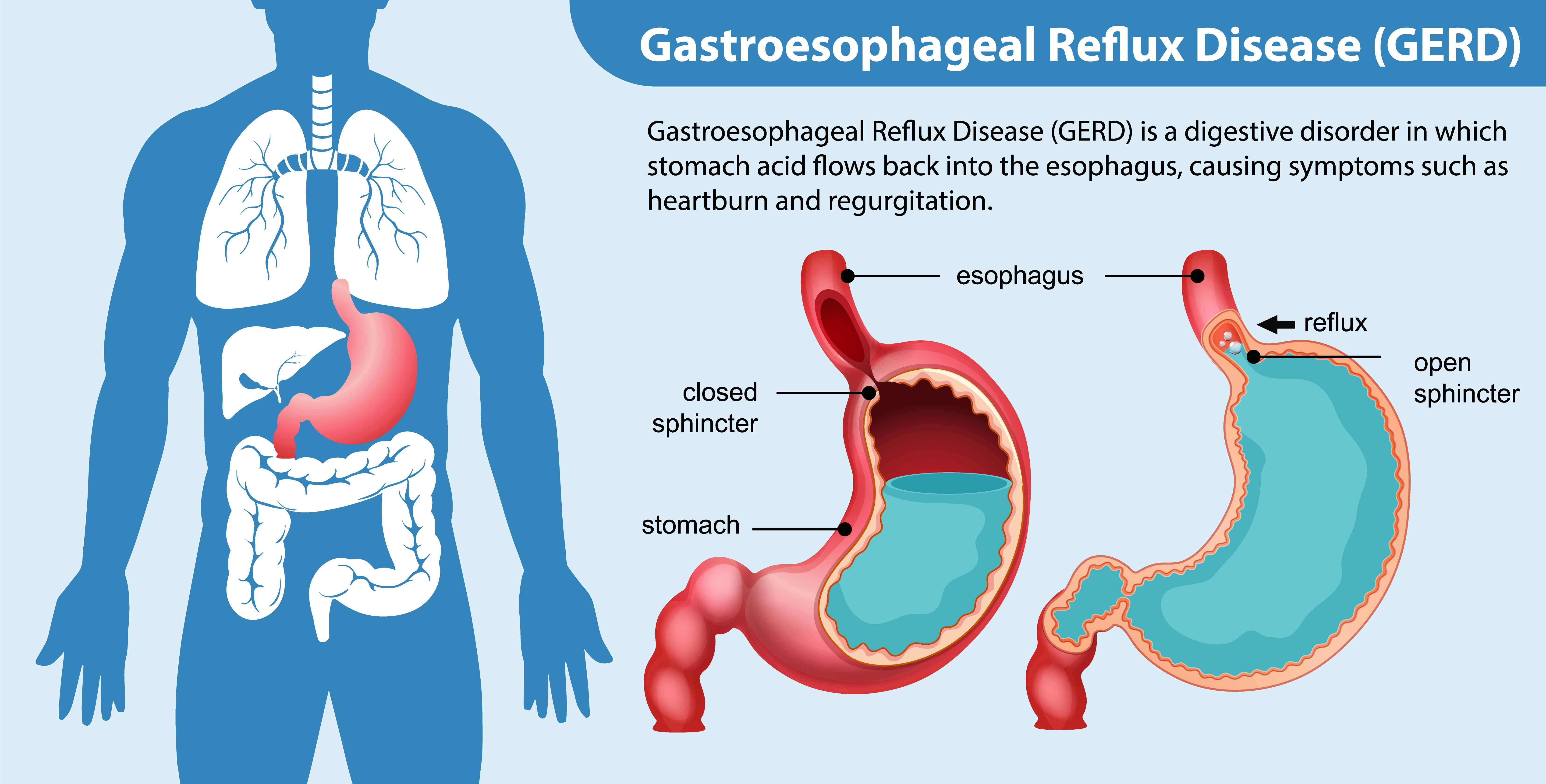
Gastroesophageal Reflux Disease (GERD) is a common digestive disorder affecting the stomach and esophagus. The most common symptom is heartburn, which can range from uncomfortable to severe.
It’s important to understand that while heartburn is a symptom, a proper diagnosis must be made by a healthcare professional.
Learn more about GERD, its effects, and how to get tested by joining the course at GERD Awareness Week.
American Diabetes Month (November)
This month focuses on raising awareness about diabetes prevention, management, and treatment.
Q: What is the main difference between Type 1 and Type 2 diabetes?
A: Type 1 diabetes is an autoimmune disease where the body stops producing insulin. It is often diagnosed in children and young adults and requires daily insulin injections or use of an insulin pump. Type 2 diabetes is the most common form, where the body either doesn’t produce enough insulin or doesn’t use it effectively (known as insulin resistance). Type 2 is strongly associated with lifestyle factors and often begins in adulthood.
Q: How can I know if I’m at risk for diabetes or prediabetes?
A: Risk factors include being overweight or obese, being 45 or older, having a family history of diabetes, and being physically inactive. You should be tested if you have symptoms like excessive thirst, frequent urination, or unexplained weight loss. The primary test is the A1C test, which measures your average blood sugar level over the past two to three months.
Q: Can Type 2 diabetes be prevented?
A: For many, Type 2 diabetes is preventable. Lifestyle changes are key, including eating a healthy diet, getting regular physical activity, losing weight if overweight, and stopping smoking. If you have prediabetes (higher than normal blood sugar levels, but not high enough for a diabetes diagnosis), these steps can often reverse the condition.
Movember (November)
Movember is an annual event involving the growing of moustaches during November to raise awareness and funds for men’s health issues.
Q: What is Movember all about?
A: Movember is a global charity event where participants, known as Mo Bros, grow a moustache for the 30 days of November to spark conversations and raise funds for critical men’s health issues: prostate cancer, testicular cancer, and mental health and suicide prevention.
Q: How else can I participate if I can’t grow a moustache?
A: There are several ways to get involved! You can commit to Moving 60 miles over the month (representing the 60 men lost to suicide every hour globally), Host a Mo-ment by gathering friends to raise awareness, or take on a challenge through Mo Your Own Way. Women, often called Mo Sisters, are vital to the campaign through fundraising and encouraging men to act for their health.
Q: Why is Movember focused on prostate and testicular cancer?
A: These are the most common cancers in men. The campaign stresses the importance of early detection. For testicular cancer, this means men performing monthly self-exams. For prostate cancer, it means men over 50 (or younger if there’s a family history) talking to their doctor about testing.
COPD Awareness Month (November)
This month is dedicated to increasing public knowledge of Chronic Obstructive Pulmonary Disease (COPD).
Q: What exactly is COPD?
A: COPD, or Chronic Obstructive Pulmonary Disease, is a chronic inflammatory disease that causes obstructed airflow from the lungs. It is an umbrella term that mainly includes emphysema and chronic bronchitis. It makes breathing difficult and progressively worsens over time.
Q: What are the primary risk factors and symptoms of COPD?
A: The single greatest risk factor is long-term cigarette smoking. Other risk factors include exposure to secondhand smoke, air pollution, chemical fumes, and genetics. Common symptoms include a chronic cough, shortness of breath (especially with physical exertion), wheezing, and a lot of mucus/phlegm production.
Q: Is there a cure for COPD?
A: Currently, there is no cure for COPD, but it is treatable and manageable. Treatment focuses on relieving symptoms, slowing the progression of the disease, and improving quality of life. This often involves quitting smoking, taking prescribed medications (like inhalers), and participating in pulmonary rehabilitation.
National Family Caregivers Month (November)
This month recognizes and honors the millions of family caregivers across the United States.
Q: Who is considered a family caregiver?
A: A family caregiver is anyone who provides regular, unpaid assistance to a family member, partner, or friend with a chronic illness, disability, or a condition that requires extra support, such as aging-related needs.
Q: What are the biggest challenges facing family caregivers?
A: Common challenges include caregiver burnout (emotional and physical exhaustion), financial strain from costs and missed work, social isolation, and balancing caregiving with other life responsibilities. Caregiver support is crucial to prevent these issues.
Q: How can I support a caregiver I know?
A: Offer specific, practical help like providing respite care (giving the caregiver a planned break), helping with errands or household chores, preparing meals, or simply checking in regularly to offer an open ear. Encourage them to prioritize their own self-care and connect with caregiver resources in their community.
Great American Smokeout Day (Third Thursday in November)
The American Cancer Society uses this day to encourage people who smoke to use the date to plan to quit or to quit smoking altogether.
Q: What is the goal of the Great American Smokeout?
A: The main goal is to inspire people who use tobacco products to commit to a smoke-free life, starting by quitting for the day. The event emphasizes that quitting is a journey and that resources for smoking cessation are available to help.
Q: What are the biggest benefits of quitting smoking?
A: Quitting improves health almost immediately and long-term. Within 20 minutes, heart rate and blood pressure drop. Within a few months, lung function improves. Long-term benefits include significantly reduced risk of lung cancer and other cancers, heart disease, stroke, and COPD. It is the single best thing a person can do for their health and cancer prevention.
Q: What resources are available to help people quit?
A: Many effective options exist, including Nicotine Replacement Therapy (patches, gum, lozenges), prescription medications, counseling, and Quit Smoking hotlines (like 1-800-QUIT-NOW). The combination of counseling and medication generally provides the best chance of success against nicotine addiction.
GERD Awareness Week (Usually the week of Thanksgiving)
This week is dedicated to increasing public knowledge of Gastroesophageal Reflux Disease (GERD).
Q: What is the difference between occasional heartburn and GERD?
A: Heartburn (or acid reflux) is the burning sensation in the chest caused by stomach acid backing up into the esophagus. It’s common and often occasional. GERD (Gastroesophageal Reflux Disease) is diagnosed when this reflux occurs frequently—typically two or more times a week—and is severe enough to cause bothersome symptoms or damage the esophagus. The issue is often a weak or relaxed Lower Esophageal Sphincter (LES), the valve between the esophagus and stomach.
Q: What are the long-term risks of untreated GERD?
A: Chronic, untreated GERD can lead to serious complications. The persistent exposure to stomach acid can cause esophagitis (inflammation), strictures (narrowing of the esophagus), and a condition called Barrett’s esophagus, which is a risk factor for esophageal cancer.
Q: How is GERD usually treated?
A: Treatment begins with lifestyle changes, such as avoiding trigger foods (like coffee, chocolate, fatty foods), eating smaller meals, and not lying down immediately after eating. Medications like Proton Pump Inhibitors (PPIs) or H2 blockers are often prescribed to reduce stomach acid production. In severe cases, surgical options may be considered to strengthen the LES.