
As the glitter of New Year’s Eve settles and the calendar flips to January, many of us feel a natural pull toward “starting over.” But wellness isn’t about radical, unsustainable transformations; it’s about intentional choices that protect your body and support your community.
This month, we are focusing on three pivotal pillars of health: National Blood Donor Month, Cervical Health Awareness Month, and the increasingly popular Dry January. Here is how you can kick off 2026 with purpose and vitality.
1. The Gift of Life: National Blood Donor Month
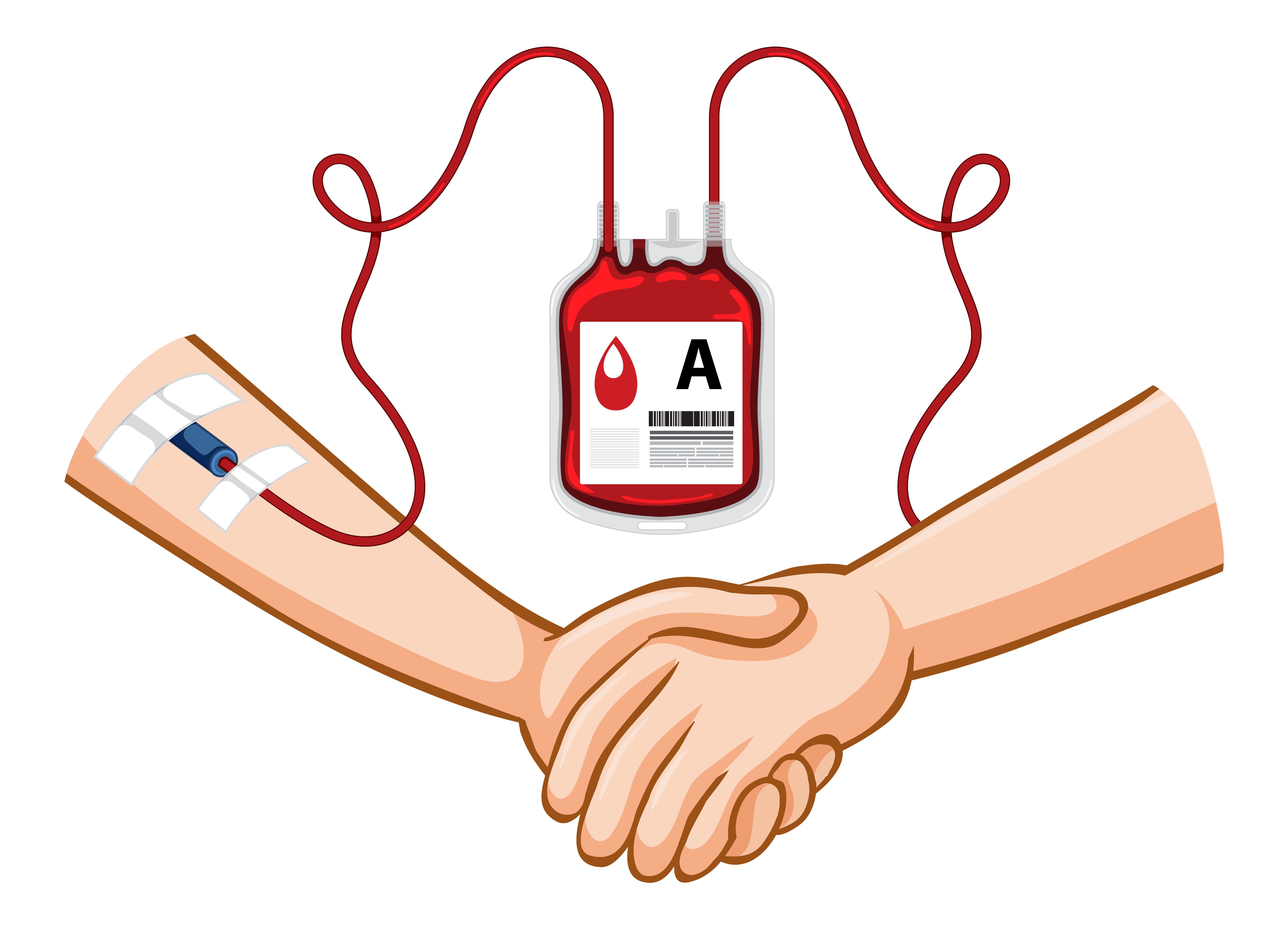
January is often a difficult month for blood centers. Between winter weather canceling drives and seasonal illnesses keeping regular donors at home, blood supplies frequently hit critical lows. That is why January is designated as National Blood Donor Month.
Why It Matters
A single blood donation can save up to three lives. Whether it’s for trauma patients, those undergoing surgery, or individuals battling cancer, your “liquid gold” is a resource that cannot be manufactured in a lab.
How to Participate
- Check Your Eligibility: Most healthy adults weighing at least 110 pounds can donate.
- Hydrate and Eat: Ensure you have a iron-rich meal (think spinach or lean proteins) and plenty of water before your appointment.
- The Power of Platelets: If you have a little extra time, consider donating platelets, which are vital for cancer patients and have a very short shelf life.
2. Prioritizing Prevention: Cervical Health Awareness Month

Cervical cancer was once one of the most common causes of cancer death for American women. Today, thanks to the HPV vaccine and regular Pap tests, it is one of the most preventable and treatable forms of cancer.
Key Prevention Steps
January serves as a reminder to book those screenings you might have pushed off during the holiday rush.
- The HPV Vaccine: This vaccine protects against the types of Human Papillomavirus that causes cervical cancers. It is most effective when given earlier in life but is now approved for adults up to age 45.
- Regular Screenings: Depending on your age and history, your doctor will recommend a Pap test, an HPV test, or a combination of both.
- Early Detection: When caught early, cervical cancer has a high survival rate. Don’t ignore symptoms like unusual spotting or pelvic pain—be your own best advocate.
3. The “Dry January” Reset

After the indulgence of the holiday season, Dry January—the practice of abstaining from alcohol for 31 days—has become a global phenomenon. It’s not just about “detoxing”; it’s about re-evaluating your relationship with alcohol and noticing how your body responds to the change.
The Benefits of a Month Off
Most participants report significant health improvements within just two to three weeks:
Better Sleep: Alcohol disrupts your REM cycle. Without it, you’ll likely find you wake up feeling more rested.
Clearer Skin: Alcohol is a diuretic that dehydrates the skin; quitting leads to a more hydrated, radiant complexion.
Mental Clarity: Removing a depressant from your system can reduce “brain fog” and lower anxiety levels.
Survival Tips for the Month
- Explore Mocktails: The “sober curious” movement has led to an explosion of alcohol-free spirits and botanical elixirs.
- Identify Triggers: Notice when you crave a drink. Is it stress? Boredom? Finding a substitute activity, like a 10-minute walk or a hot tea, can break the habit.
Fresh Starts: 10 Essential Tips to Elevate Your Physical Health

Starting a new year often feels like opening a blank notebook. While big goals are inspiring, physical wellness is truly built on the small, consistent choices we make every day. If you are looking to revitalize your routine this January, here are 10 foundational tips to help you feel your best from the inside out.
Stay Active: Regular movement is a powerhouse for your body, it improves heart health, ensures better sleep, and boosts energy levels. It can even decrease the risk of chronic diseases. Don’t feel pressured to spend hours at the gym; start by trying just 15 minutes a day.
Eat a Balanced Diet: Focus on nourishing your body by controlling ingredients and portion sizes. Meal planning is a great way to stay on track but remember that wellness includes flexibility—enjoy your favorite foods in moderation.
Stay Hydrated: Water is the fuel for your cells. Drinking enough water supports mental clarity, maintains healthy skin, and aids in weight management. Aim for a baseline of 2 liters a day.
Get Adequate Sleep: Think of sleep as your body’s “repair mode.” Quality rest boosts your immune system and sharpens brain function. Aim for 7 to 9 hours each night and try to keep a consistent schedule—even on weekends!
Limit Alcohol and Avoid Smoking: Protecting your organs is key to longevity. Excessive alcohol can lead to liver damage and impact on mental health, while smoking significantly increases the risk of lung cancer and heart disease.
Regular Health Check-ups: Prevention is the best medicine. Stay on top of standard blood tests, blood pressure monitoring, and other preventative screenings to catch any potential issues early.
Manage Stress: Chronic stress takes a physical toll on the body. Incorporate “calm moments” into your day through meditation, yoga, deep breathing exercises, or simply making time for the hobbies you love.
Maintain Healthy Weight: Weight is a personal metric that varies by individual. Focus on a range that makes you feel strong, mobile, and energetic, rather than just a number on a scale.
Prioritize Mental Health: Your mind and body are deeply connected. Try to connect with others, as regular social interaction significantly improves your mood and overall outlook on life.
Get Regular Sunlight: Nature provides a free, natural source of Vitamin D, which is essential for healthy bones and teeth. It also supports your immune system and helps your body absorb calcium and phosphorus. Try to get 10 to 30 minutes of sunlight several times a week.
FAQs
1)What is Clover Staffing?
Clover Health Services (often referred to as Clover Staffing) is a nationwide healthcare staffing agency that specializes in providing clinical workforce solutions. We act as a bridge between healthcare facilities (such as hospitals, long-term acute care, and outpatient clinics) and skilled clinicians. We primarily focus on travel and local assignments, typically ranging from 13 to 26 weeks, and offer 24/7 professional support to their staff, including help with payroll, compliance, and credentialing.
2)Is Clover Staffing only for Registered Nurses?
No. While Clover Staffing has a strong focus on nursing (including specialties like ICU, ER, and Labor & Delivery), they represent a broad range of healthcare professionals. Our services extend beyond Registered Nurses (RNs) to include various clinical and technical roles across the medical field.
3)Does Clover Staffing place Allied Health Professionals?
Yes. Clover Staffing actively recruits and places Allied Health Professionals. We staff a variety of allied roles, including:
- Therapists: Physical Therapists (PT), Occupational Therapists (OT), and Speech-Language Pathologists (SLP).
- Imaging Specialists: Radiology Techs and CT Techs.
- Technicians: Surgical Technologists and Cardiovascular Technologists.
- Respiratory Care: Respiratory Therapists.